Comparison: Steel vs Concrete Construction Costs
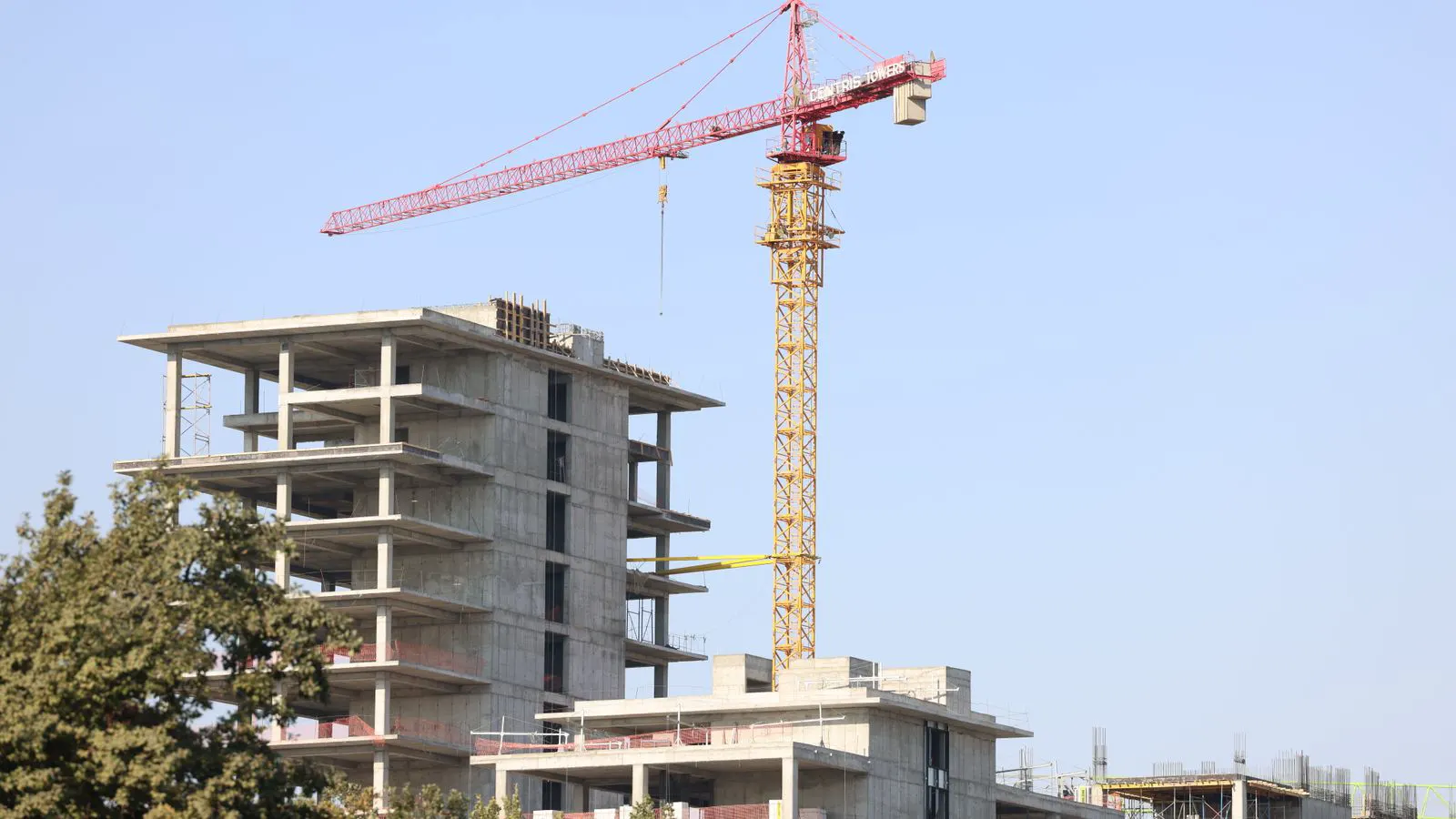
Steel structures often reduce construction budget demands through faster erection and lighter foundations, while concrete offers higher mass and thermal inertia. Material costs and total project price vary significantly based on span, height, and site conditions.
- Steel buildings typically lower total project price when spans are large or schedules are tight.
- Concrete often wins on thermal mass, fire resistance, and long-term durability.
- Foundation size drives much of the cost difference between these systems.
- Material costs shift depending on local labor rates and commodity prices.
- A construction budget should account for erection speed, not just raw material price.
Direct cost comparison between steel and concrete
Construction budget planning often starts with a raw material price comparison. Steel and concrete look different on a spreadsheet. Steel beams, purlins, and roof panels cost more per ton than cement, aggregates, and rebar. Yet the final bill rarely reflects that simple math.
Steel buildings use less material to span the same distance. A single steel column can carry the load that would require multiple concrete columns. This changes the foundation design. A steel building on a poor soil site may sit on smaller piles or footings. Concrete often needs deeper and heavier foundations.
Concrete, by contrast, uses a lot of mass. That mass provides stability and thermal benefits. But it increases the volume of material, labor, and curing time. The trade-off is clear. Steel buys speed. Concrete buys mass.
How material costs affect the total project price
Material costs are only one line item. The total project price includes foundation work, site preparation, labor, permits, and erection.
Steel material costs fluctuate with commodity markets. When mill prices rise, the steel package price rises. Concrete material costs are more stable. Cement, sand, and gravel are locally produced. Prices move less dramatically than metal.
However, the labor side shifts the equation. Steel erection is fast. Trained crews can raise a steel frame in days or weeks. Concrete forms must be built, filled, allowed to cure, and stripped. That process takes longer. More time means higher labor costs.
In a tight construction budget, faster erection can offset the higher price of steel materials. In a project where the site is already prepared and the schedule is flexible, concrete may stay cheaper.
When steel makes financial sense
Steel is the stronger financial choice when span and speed matter. Long spans reduce the number of intermediate supports. Fewer supports mean smaller foundations. Smaller foundations mean less excavation and less concrete poured.
A warehouse with a 30 meter clear span is a classic example. A concrete post-tensioned system can handle that span, but it requires specialized design and a longer cure cycle. A steel portal frame can cover the same span with fewer columns. The foundation depth may be less. The erection time is shorter.
Steel also suits multi-story buildings with flexible floor plans. If the tenant or owner may change the layout later, steel walls and columns are easier to modify. Concrete walls are permanent. Demolishing a concrete wall is expensive and slow.
When concrete makes financial sense
Concrete is the stronger financial choice when mass and durability matter. A building that will house heavy machinery, a water tank, or a high-rise structure may benefit from concrete. The material is dense. It resists wind and vibration better than a lightweight steel frame.
Fire resistance is another factor. Concrete does not burn. Steel requires fireproofing. In some jurisdictions, fireproofing is a mandatory cost. It adds coating, insulation, or spray-on systems. That cost can narrow the gap between the two materials.
Concrete also has a longer service life in some environments. In coastal or corrosive zones, steel needs protection. Galvanizing, painting, or stainless fasteners add cost. Concrete is less sensitive to corrosion, though it can suffer from chloride attack if the mix or cover is poor.
Foundation and site conditions change the comparison
The construction budget must account for the site. A steel building on soft clay may need deep piles. A concrete building on the same soil may need even deeper piles because of its weight.
On a rocky or stable site, the difference shrinks. Both systems can use shallow foundations. The cost advantage shifts to the superstructure. Steel erection is still faster. Concrete curing time is still longer.
Soil testing is the first step. Do not estimate a construction budget without knowing the ground bearing capacity. The difference between a shallow footing and a deep pile can be the deciding factor.
Erection speed and labor costs
Erection speed is a major driver of the total project price. Steel is prefabricated. Panels are manufactured in a factory. They arrive on site and are bolted or welded together. The work is predictable. Weather delays have a limited impact on the frame itself.
Concrete is cast in place. The crew builds forms, pours, cures, and strips. Weather has a direct impact. Rain can delay curing. Cold weather requires heating or special admixtures. The schedule is less predictable.
Labor costs vary by region. In areas with a high cost of living, the premium on labor is larger. A faster erection method can save significant money. In areas with low labor costs, the gap narrows.
A numbered list of typical cost drivers:
- Material price per unit.
- Foundation depth and volume of concrete.
- Erection labor hours.
- Fireproofing or protective coating.
- Permit and inspection fees.
- Temporary works and site access.
- Change order potential.
A practical comparison table
The table below shows how the two systems compare across key factors. The numbers are not absolute. They reflect general industry observations.
| Option | Best for | Limitations |
|---|---|---|
| Steel structure | Long spans, fast erection, flexible layouts, lower foundation loads | Higher material price, fireproofing cost, corrosion risk |
| Concrete structure | High mass, fire resistance, long service life, heavy loads | Slower erection, heavier foundations, less flexible changes |
| Hybrid system | Balancing speed and durability | Higher design complexity, coordination between trades |
| Post-tensioned concrete | Very large spans without intermediate columns | Specialized labor, longer cure, higher initial cost |
| Light gauge steel | Small buildings, low spans, budget projects | Limited span, less durable in harsh environments |
How to build a realistic construction budget
A realistic construction budget does not compare only the price per ton of steel to the price per cubic meter of concrete. It compares the total cost of the building.
Start with the foundation. Get a geotechnical report. Design the footings for both systems. Compare the cost of excavation, piles, and slab-on-grade.
Next, compare the superstructure. Steel packages usually include columns, beams, purlins, rafters, and cladding. Concrete packages include forms, rebar, cement, and finishing. Get itemized quotes.
Finally, add the soft costs. Design fees, permits, engineering stamps, and inspection fees. These are similar for both systems but can differ based on complexity.
A steel building quote may look higher on the material line. The concrete quote may look lower. But when you add labor, foundation, and time, the steel option may come out ahead. Or it may not. The answer depends on your site.
Common mistakes in cost comparison
One common mistake is comparing a steel building with a concrete building of different design. A steel building with a 20 meter span is not the same as a concrete building with a 10 meter span. The span changes the foundation and the material quantity.
Another mistake is ignoring the roof. Steel buildings often use standing seam or corrugated panels. Concrete roofs may use flat membranes or precast panels. The roof cost can be a significant portion of the total.
A third mistake is assuming that steel is always cheaper. It is not. In some markets, concrete is cheaper. In some project types, steel is cheaper. The difference is small. The site conditions decide.
Final thoughts
The choice between steel and concrete is not a simple price comparison. It is a balance of material costs, labor, foundation, and schedule. A construction budget should reflect the full picture.
If you need speed, steel is the stronger option. If you need mass, concrete is the stronger option. If you need a balance, a hybrid system may work.
Get multiple quotes. Check the assumptions. Verify the foundation design. The total project price will reveal the true cost.
Frequently asked questions
Is steel always more expensive than concrete?
No. Steel material costs are often higher per ton, but the total project price can be lower due to faster erection and smaller foundations. The comparison depends on span, site conditions, and labor rates.
How does foundation cost affect the construction budget?
Foundation cost is a major driver. Steel buildings often need smaller footings because of their lower weight. Concrete buildings need deeper or larger foundations. A geotechnical report is essential.
What is the biggest cost difference between steel and concrete?
The biggest cost difference is usually in the superstructure labor and foundation. Steel erection is faster. Concrete curing is slower. The foundation depth can vary significantly.
When should I choose concrete over steel?
Choose concrete when you need high mass, fire resistance, or long-term durability. It is also better for heavy loads and environments where corrosion is a concern.
How do I get a fair comparison between the two?
Get itemized quotes for both systems. Include foundation, materials, labor, permits, and cladding. Compare the same span, height, and site conditions. Do not compare different designs.