Design & Engineering
How to Choose the Right Steel Frame for Your Facility
Selecting the right steel frame engineering requires matching your facility's span, load, and climate needs to a specific structural system. This guide outlines a
Practical steel structure building data for informed procurement decisions
Steel structure building projects fail when buyers accept vague specs, skip quality checks, or underestimate erection complexity. This site focuses on the technical and commercial factors that determine whether a warehouse or industrial building performs as intended. It covers structural design, material selection, fabrication, erection, codes, cost, and supplier selection. You will find information on connection design, steel grades, coating systems, and the documents that should appear in a tender package. The content is written to support engineers, project managers, and buyers who need to verify claims from suppliers and consultants.
The site is organized around the decision points where errors are most expensive. Each section explains what to request, what to inspect, and how to compare options without relying on marketing language. You will learn how to read a structural schedule, understand coating thickness, and evaluate supplier capacity. The goal is to give readers a clear framework for evaluating projects, from concept to handover, using facts rather than assumptions.
Start with the stage of the sourcing process you are in.
Learn about warehouse and industrial building types, layouts, and selection criteria for efficient operations.
Explore steel building design principles, structural engineering basics, and planning requirements for projects.
Understand steel fabrication processes, assembly methods, and erection procedures for steel structure buildings.
Review steel materials, profiles, and coating systems used to protect steel structures from environmental factors.
See guidance on building codes, standards, and compliance requirements for steel structure projects.
Get practical insights on steel building costs, pricing factors, and project lead times to plan budgets.
Learn how to evaluate steel building suppliers, assess capabilities, and select the right partner for your project.
Selecting the right steel frame engineering requires matching your facility's span, load, and climate needs to a specific structural system. This guide outlines a

A structured supplier evaluation checklist helps buyers verify a steel fabricator's real capacity. It covers plant equipment, personnel, quality controls, and
A durable steel coating protects structural steel from corrosion, fire, and environmental damage. This guide explains how to evaluate coating systems, match materials to

Project lead time varies by region due to raw material availability, local logistics networks, and regional supply chain conditions. This guide identifies common

Steel erection trends are driven by digital planning, advanced lifting gear, and tighter site coordination. These shifts affect sequencing, safety, and cost.
Light gauge steel offers speed and lower material cost for moderate loads, while heavy steel frames handle deeper racking and higher wind loads. The choice depends on
Importers must verify material grades, coating thickness, and compliance to avoid costly rework. This guide outlines criteria for evaluating steel warehouse building
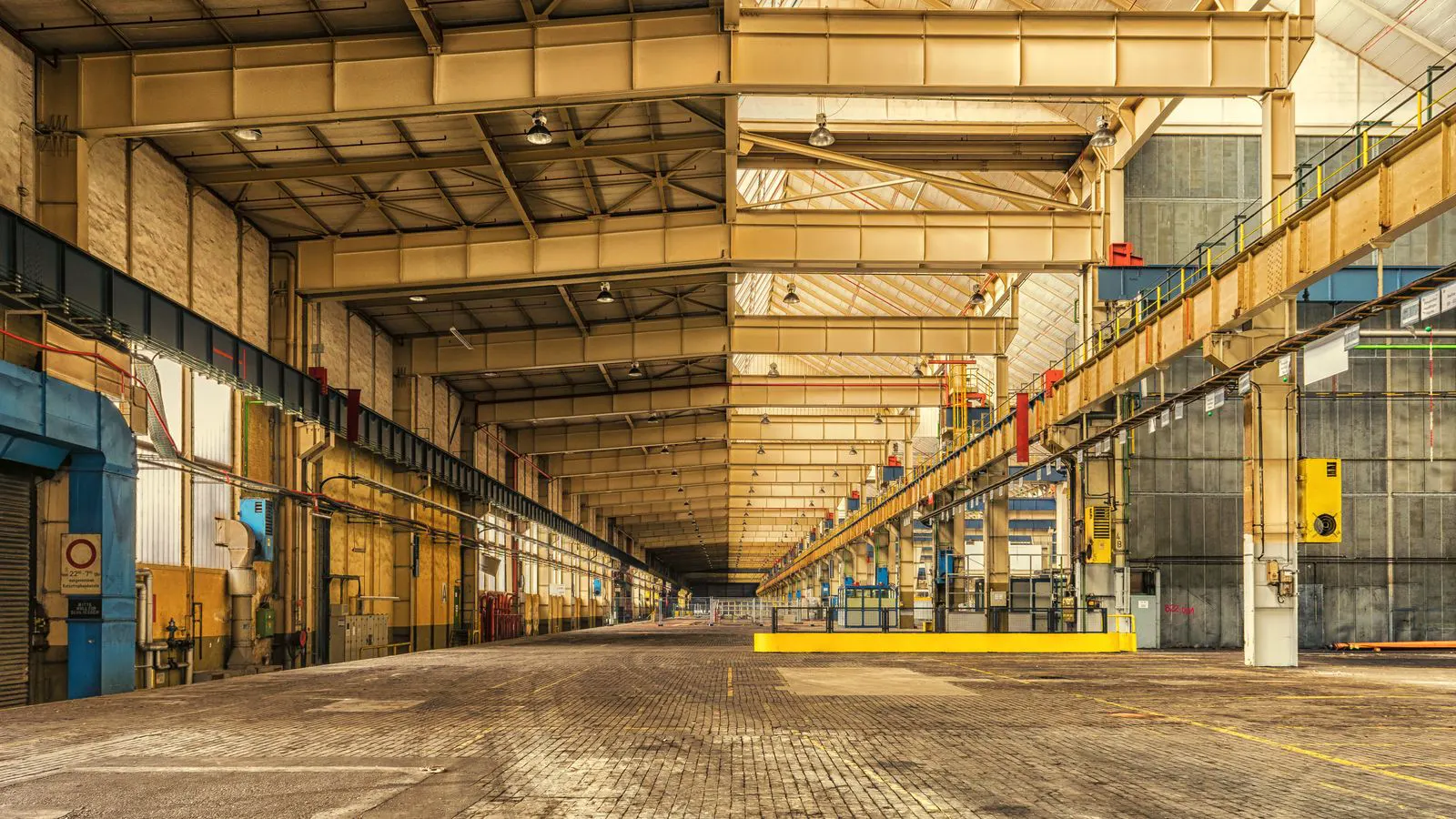
Warehouse cost lead time depends on site access, structural span, cladding type, and interior fit-out. Faster options trade off design flexibility. A clear RFQ and
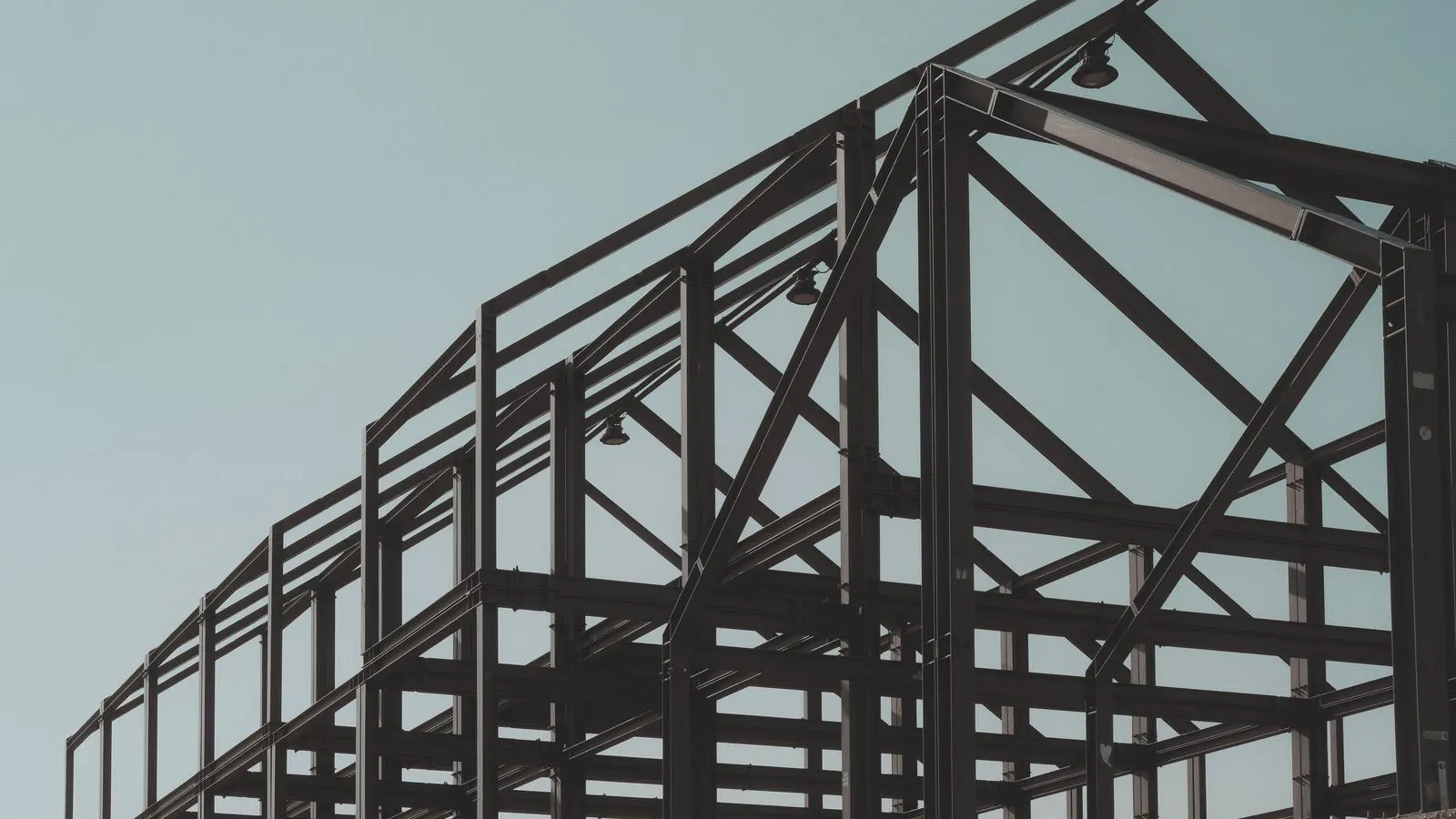
Steel building design failures usually trace back to design errors, poor fabrication, or installation mistakes. This guide lists five common causes of connection failure
A steel frame warehouse typically uses lighter columns and rafters for storage or distribution, while a steel structure industrial building may include heavier portal frames, mezzanines, and equipment supports. The distinction affects load ratings, connection design, and erection sequence.
Review the structural schedule, load assumptions, connection details, foundation layout, and material specifications. Confirm that the design includes safety factors and complies with the applicable building code for your jurisdiction.
Coating thickness, substrate preparation, and coating chemistry determine corrosion resistance. A well-specified coating system reduces repainting cycles and extends the service life of exposed steel members.
Design approval, steel mill delivery, fabrication shop capacity, coating and painting, and erection crew availability are the main factors. Delays in any stage can extend the overall project timeline.
Request the welding procedure specifications, inspection records, and material test certificates. Conduct a mid-fabrication inspection and verify that bolt holes, connections, and member lengths match the approved drawings.
Refer to the building code, structural steel design code, welding standard, and coating standard applicable in your region. Confirm that the supplier's design and fabrication meet the requirements of all applicable documents.