Comparison: Prefabricated vs Site-Built Warehouse Steel Frames
Prefabricated frames offer faster erection and tighter factory quality control. Site-built frames provide greater design flexibility for complex site conditions. The best choice depends on your project timeline, structural complexity, and local supply chain stability.
- Prefabricated frames reduce on-site labor time and improve dimensional accuracy through factory assembly.
- Site-built frames handle irregular foundations and complex geometry better than modular components.
- Transportation and logistics constraints can limit the span and height of prefabricated warehouse structures.
- Site-built construction allows for easier mid-project design changes but often increases on-site labor costs.
- Choose prefabrication for standard warehouse layouts and site-built for unique or constrained industrial sites.
How Prefabrication Changes the Warehouse Build Process
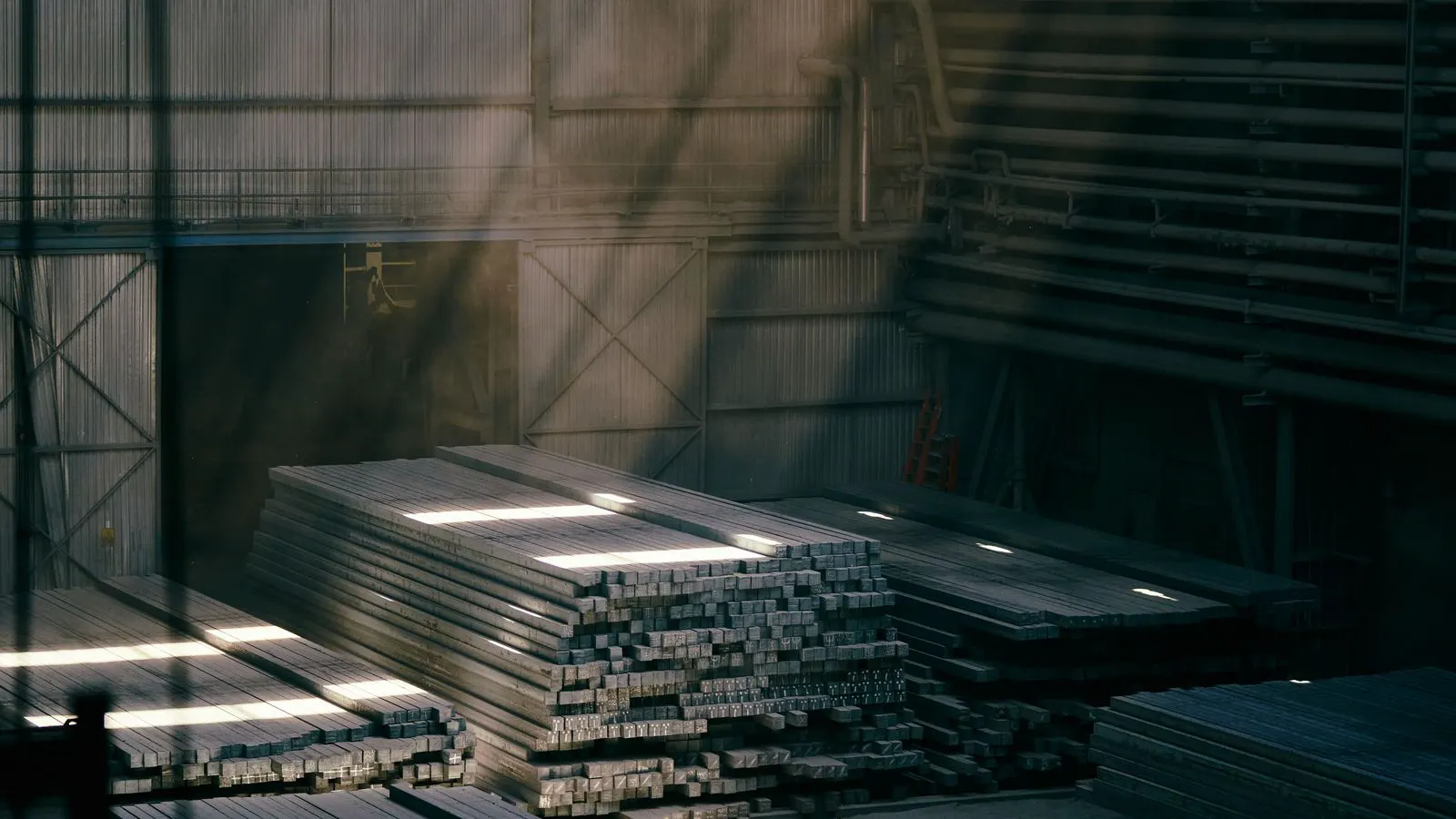
Prefabricated warehouse steel frames shift most of the fabrication work to a factory. Steel members are cut, drilled, and welded under controlled conditions. Quality inspectors check every joint and measurement before the components leave the yard. The on-site team then focuses on assembly and erection.
This division of labor changes the critical path of the project. Instead of waiting for field welding crews to finish a long run of columns, the team installs pre-drilled trusses and beams in a set sequence. The factory can run multiple production lines at once. This parallel work is where the schedule benefit appears.
The trade-off is rigidity. Once the factory cuts the steel, the dimensions are fixed. If the site conditions change during foundation work, the prefabricated members may not fit. The team may need to re-fabricate or modify the components in the field. That process is slow and expensive.
Site-Built Frames and On-Site Fabrication
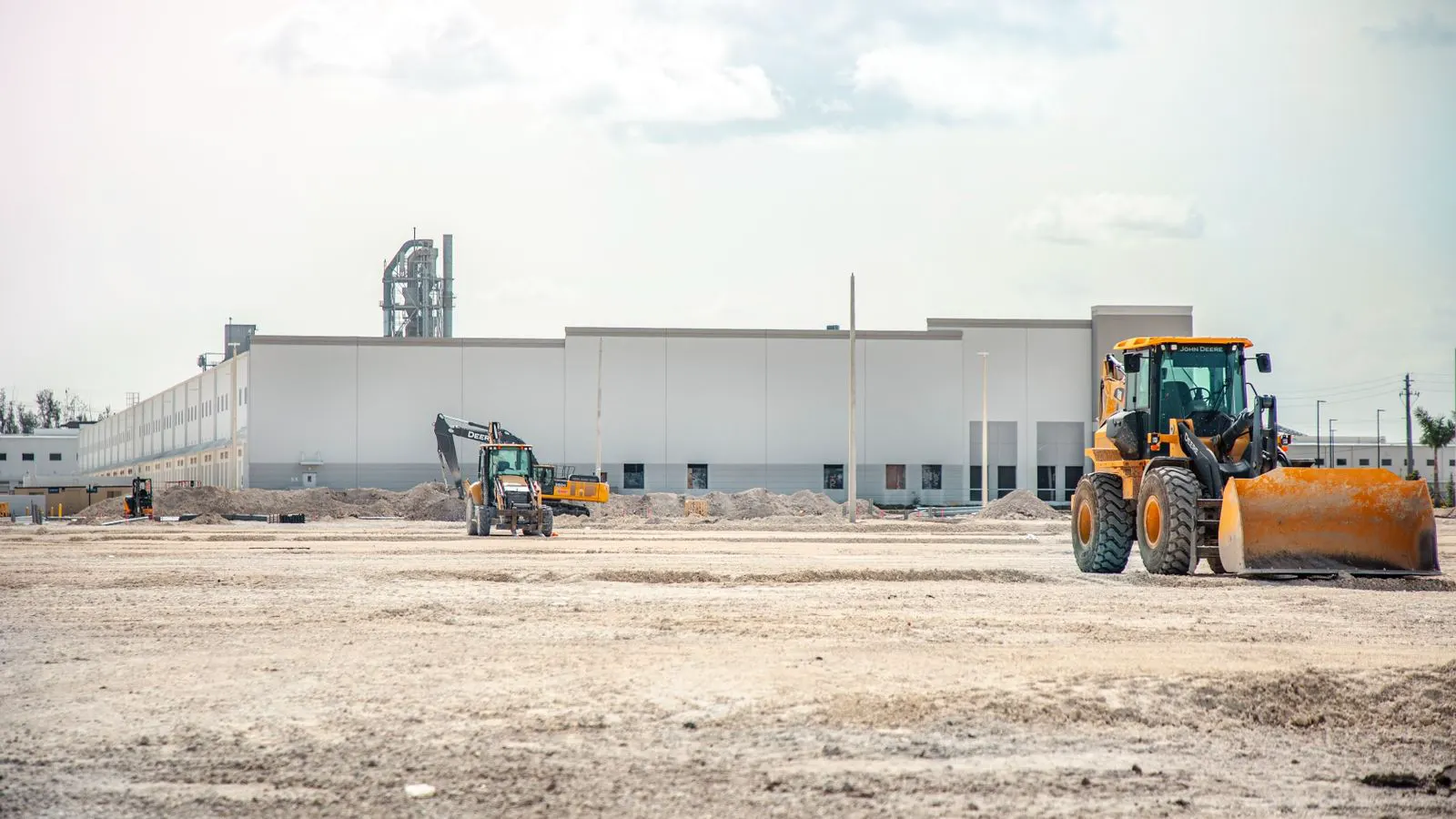
Site-built warehouse steel frames are manufactured directly at the construction site. Fabricators bring in their own cutting, welding, and bending equipment. The steel is processed piece by piece as the structure rises. This approach keeps the design flexible throughout the project.
The site team can adjust member lengths, connection types, and bracing patterns as they go. If a column lands out of plumb, the crew can correct the alignment on the spot. This is useful when the foundation has uneven settlement or when the architectural layout changes during construction.
The downside is schedule risk. On-site fabrication depends on weather, crew availability, and equipment uptime. A single bad day of rain can halt welding operations. The project manager must coordinate multiple subcontractors in a tight space. The quality control burden falls heavily on the site inspector.
Side-by-Side Comparison of Build Methods
| Option | Best for | Limitations |
|---|---|---|
| Prefabricated Frames | Standard layouts, tight schedules, high quality control | Limited design flexibility, transport size restrictions |
| Site-Built Frames | Complex geometry, irregular foundations, mid-project changes | Longer on-site duration, higher labor costs, weather dependent |
| Hybrid Approach | Mixed spans, phased construction | Requires careful coordination between factory and site |
| Modular Panelization | Fast erection, standardized warehouse bays | Limited customization, requires precise site preparation |
| Fully Custom Site-Built | Unique industrial processes, non-standard clearances | Highest cost, longest lead time, complex project management |
When to Choose Prefabricated Steel Frames
Prefabrication works best when the warehouse design is standard and the site is well prepared. If you are building a rectangular warehouse with a single roof span and consistent floor height, the prefabricated approach shines. The factory can optimize the steel usage and reduce material waste.
The schedule advantage is significant for projects with hard deadlines. If your business requires the warehouse to be operational before the next quarter, prefabrication compresses the critical path. The on-site erection time is shorter because the components arrive ready for bolt-up or welding.
However, you must manage logistics carefully. The factory will produce components in a specific size to fit your transport trailers. If your site has narrow access roads or a small crane radius, you may need to split the trusses into smaller sections. This changes the connection design and can affect the structural performance.
When to Choose Site-Built Steel Frames
Site-built construction is the right call when the project has unique constraints. If your warehouse sits on a sloped site, or if you need to integrate existing structures, the on-site fabrication team can adapt. They can cut custom length columns to match the uneven foundation grade.
This method is also preferred when the design is still evolving. If you are adding mezzanine floors, special equipment supports, or unique loading dock configurations, site-built frames allow the engineer to modify the steel in real time. The architect and engineer can walk the site and make adjustments without waiting for a factory re-fabrication cycle.
The cost difference can be substantial. Site-built projects require more on-site labor hours. The crew must set up workbenches, storage areas, and welding stations. The project duration extends because the fabrication and erection happen sequentially. You must budget for a longer construction period and higher site overhead.
Hybrid Approaches and Modular Panelization
Many industrial projects now use a hybrid approach. The main structural frames are prefabricated for speed and accuracy. The secondary elements, such as purlins, bracing, and specialty connections, are site-built. This balances the benefits of both methods.
Modular panelization takes this further. The factory builds entire bay sections as complete units. These panels arrive on-site and are lifted into place as single modules. The on-site work becomes a simple assembly task. The connections between modules are engineered to allow for minor site adjustments.
This approach is ideal for large distribution centers with repetitive bays. The factory produces identical panels for each bay. The on-site team focuses on alignment and connection. The result is a structure that is both fast to build and highly accurate. The key is to define the module size early in the design phase.
Cost and Timeline Trade-Offs
The cost comparison depends on the scale of the project. For a small warehouse, the premium on prefabrication may not be justified. The site-built option offers more flexibility for a lower initial fabrication cost. For a large distribution center, the prefabricated approach often reduces the total cost by minimizing on-site labor.
Timeline is the other major factor. Prefabricated frames can reduce the erection time by a significant margin. The site team can install multiple bays in parallel. The schedule risk is lower because the weather impact on fabrication is eliminated. Site-built projects face more schedule variability due to weather and labor availability.
You must also consider the cost of delays. If your project has a hard deadline, the cost of a site-built delay can outweigh the savings on fabrication. If you have a flexible schedule, the site-built option may provide better value through design flexibility.
Quality Control and Long-Term Performance
Factory fabrication provides a higher level of quality control. The steel is processed in a climate-controlled environment. The welding is done by certified operators using automated equipment. The dimensional accuracy is tighter, which reduces the need for field adjustments.
Site-built quality control relies on the inspector on-site. The welder may be working in wind or rain. The dimensional accuracy is less consistent. The inspector must check every joint and member. The risk of defects is higher if the inspection process is not rigorous.
The long-term performance of both methods is similar. The steel behaves the same way regardless of where it was fabricated. The key difference is in the fit and finish. Prefabricated frames often have a cleaner appearance with fewer field modifications. Site-built frames may show more signs of on-site adjustment.
Final Selection Criteria
Choose prefabricated frames when you need speed, accuracy, and a standard design. The factory environment ensures high quality and a predictable schedule. This is the best option for most standard warehouses and distribution centers.
Choose site-built frames when you have complex site conditions, a unique design, or a flexible schedule. The on-site fabrication team can handle irregularities and changes that would be difficult to manage in a factory. This is the best option for custom industrial buildings and sites with challenging constraints.
Always define the site conditions before selecting the build method. Visit the site and measure the foundation, access roads, and crane radius. Share this data with your engineer and fabricator. The build method selection should be based on the specific project parameters, not general assumptions.
Frequently asked questions
What is the main advantage of prefabricated warehouse steel frames?
Prefabricated frames offer faster on-site erection and tighter dimensional accuracy. The factory environment allows for better quality control and reduced on-site labor time.
Can site-built frames be used for large distribution centers?
Yes, site-built frames can be used for large distribution centers. The approach is viable but requires careful project management to handle the longer on-site duration and higher labor costs.
How do transport constraints affect prefabricated warehouse design?
Transport constraints limit the size of individual steel components. If the site has narrow access roads, the factory must split larger members into smaller sections. This changes the connection design and affects the structural layout.
Which build method has lower long-term maintenance costs?
Both methods have similar long-term maintenance costs. The steel structure performs the same way regardless of fabrication method. The main difference is in the initial fit and finish quality.
Is a hybrid approach common in warehouse construction?
Yes, hybrid approaches are common. The main structural frames are often prefabricated for speed, while secondary elements are site-built. This balances schedule, cost, and flexibility.