Hot-Dip Galvanized vs Powder Coated Steel Profiles Comparison
This guide compares hot-dip galvanizing and powder coating for steel profiles. It covers corrosion resistance, appearance, and maintenance. You will find a clear framework for selecting the right finish based on your project environment and budget.
- Hot-dip galvanizing offers superior long-term corrosion protection and requires minimal maintenance.
- Powder coating provides better color consistency and a smoother finish for visible applications.
- Profile selection depends on exposure, budget, and the required service life of the building.
- Proper surface preparation is critical for both coating systems to perform well.
How the Two Coating Processes Work
Hot-dip galvanizing involves immersing steel profiles in molten zinc at temperatures typically above 450 degrees Celsius. The steel is cleaned, heated, and lowered into a bath of liquid zinc. The zinc bonds to the steel surface through a chemical process called diffusion. The result is a metallic zinc coating that protects the base metal from rust. The coating is continuous and self-healing. If the zinc layer is scratched, the surrounding zinc continues to sacrifice itself to protect the exposed steel. This mechanism is known as cathodic protection. It works because zinc is more reactive than steel. When the two metals are in electrical contact and exposed to moisture, the zinc corrodes first. The steel remains intact. The thickness of the coating depends on the size of the steel section and the dipping technique. Larger sections generally receive thicker coatings than smaller ones. The process is mechanical. It relies on immersion time and temperature control to achieve uniform coverage.
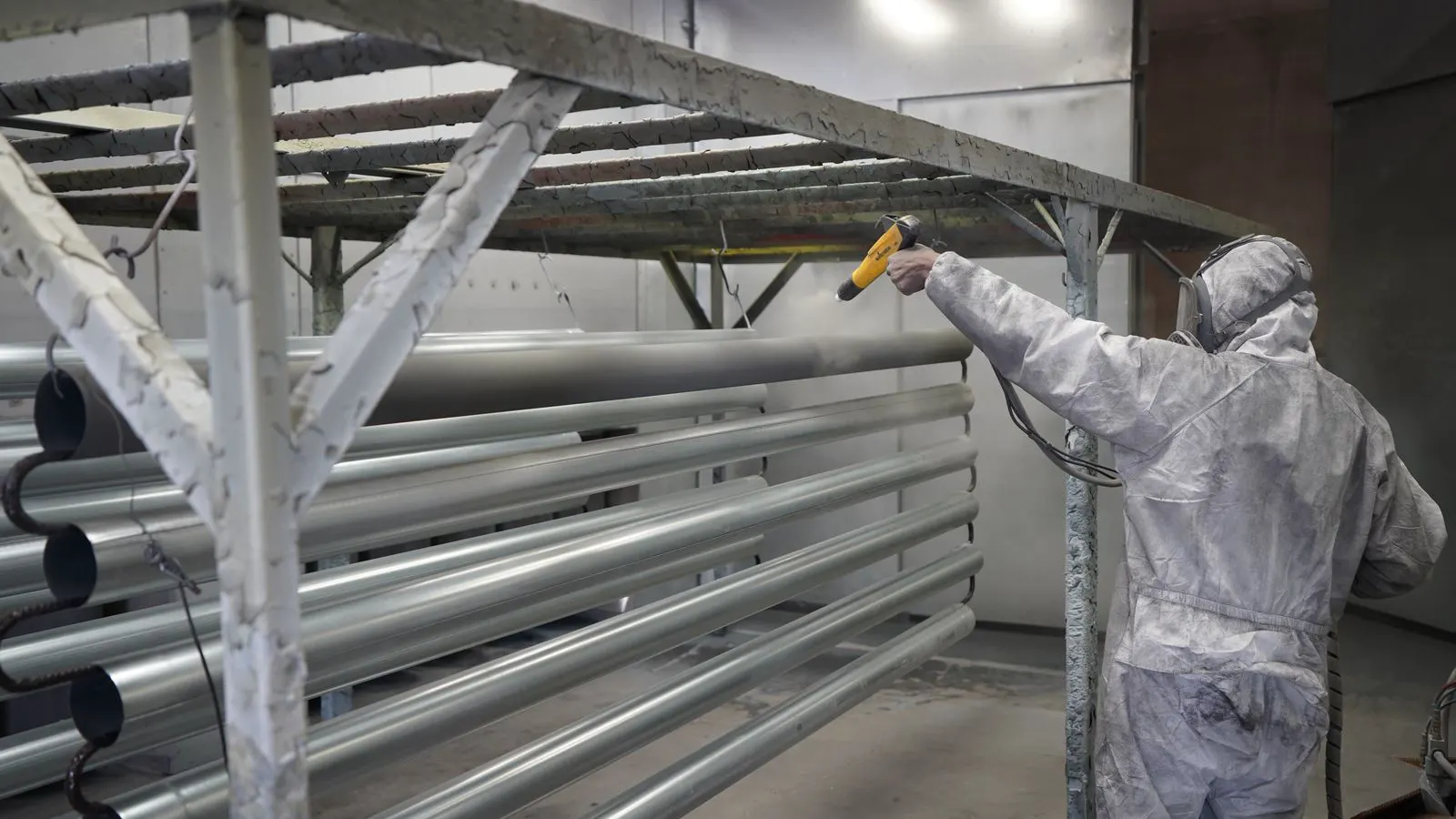
Powder coating is an electrostatic process. A fine powder resin is charged and sprayed onto a charged steel profile. The powder melts when the piece passes through a curing oven. It then cures into a hard plastic film. This film covers the steel and blocks moisture from reaching the metal. The finish is smooth and can be produced in many colors. The powder is typically a blend of resins, pigments, and additives. The resin forms the backbone of the coating. The pigments provide color. The additives control drying and flow. The electrostatic charge ensures the powder adheres to the steel surface. It clings to edges and corners that are difficult to reach with liquid paint. The curing process involves heat and time. The resin molecules link together to form a cross-linked network. This network is hard and resistant to abrasion. The thickness is controlled by the application speed and the powder feed rate.
The fundamental difference lies in the material. Galvanizing uses zinc. Powder coating uses polymer resins. This distinction drives the performance differences you will see below. Galvanizing is a metal-to-metal bond. Powder coating is a metal-to-polymer bond. These chemical differences affect how the coatings respond to damage, weather, and time.
Corrosion Resistance in Real Conditions
Galvanized steel profiles perform well in harsh environments. The zinc coating provides cathodic protection. This means the zinc corrodes instead of the steel. In coastal areas or industrial zones with high humidity, this protection extends the life of the structure significantly. The coating tolerates minor physical damage without leading to immediate rust formation. Even if the steel is scratched, the surrounding zinc continues to protect the base metal. This is a critical advantage in environments where impacts are common. Consider a steel portal frame in a port. It may face salt spray, humidity, and occasional vehicle impacts. Galvanizing handles these conditions well. The zinc layer absorbs the corrosion damage, preserving the structural integrity of the steel.
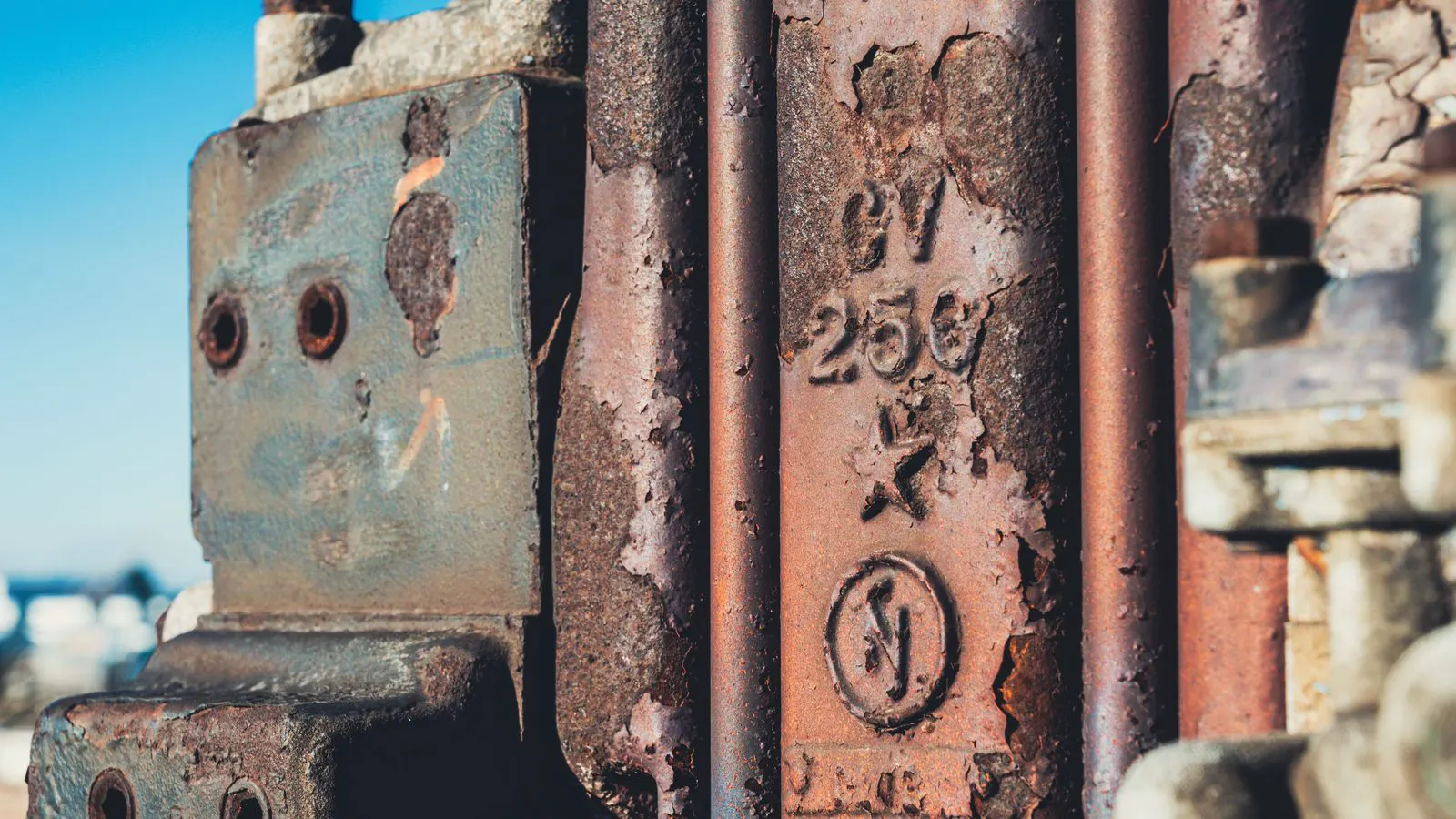
Powder coated steel profiles are highly resistant to chemical attack and UV radiation. The polymer film is dense and impermeable. It handles acid rain and salt spray well if the film remains intact. However, the protection stops at the surface. If the coating is scratched or chipped, the underlying steel is exposed. Without a zinc layer, rust can start quickly at the defect. The polymer does not offer sacrificial protection. It only acts as a barrier. If the barrier is breached, the corrosion process begins at the point of damage. This makes surface preparation and application quality critical. A thin or uneven application can lead to early failure. The coating must be thick enough to resist wear and thick enough to cover all surfaces. In practice, powder coating works best when the steel is not subjected to frequent mechanical abuse.
For long-term protection in aggressive environments, hot-dip galvanizing has a clear advantage. Powder coating is excellent for controlled environments where the profile will not face severe physical abuse or constant moisture exposure. For example, a warehouse roof truss in a dry climate may benefit from powder coating. The roof is protected from the elements by the cladding. The truss itself is not exposed to direct rain or salt spray. In this case, the barrier protection is sufficient. However, if the same truss were exposed to the sky and constant humidity, galvanizing would be the safer choice.
Appearance and Aesthetic Considerations
Powder coating wins for visual appeal. You can match the coating color to the building exterior or interior design. The finish is uniform and smooth. It gives a professional, finished look that appeals to commercial clients and architects. The color remains vibrant over time because the resin resists fading. The surface is flat and consistent. It hides minor surface irregularities better than galvanizing. This makes it ideal for client-facing structures. Think of a retail store facade or a modern office building. The steel columns and beams are visible. The clean lines and precise colors enhance the architectural design. Powder coating allows for many colors, from bright reds to subtle grays. It also offers texture options, such as matte, gloss, or textured finishes. These options give designers more control over the final appearance.
Hot-dip galvanizing has a characteristic spangled appearance. The zinc crystals on the surface look like a frosty, textured pattern. It is not a standard color option. It looks industrial and functional. For exposed structural elements in a visible architectural setting, this finish may not meet design requirements. It is often used for internal framing or components where appearance is secondary. The spangled texture is a result of the crystallization of the zinc as it cools. It is not a defect, but it is not always desirable. In some designs, the industrial look is a feature. It adds character to a building. However, for most commercial and residential projects, the raw galvanized look is not acceptable. If the steel needs to match the building envelope, powder coating is usually the way to go.
If the steel profiles are visible to customers or in a high-visibility area, powder coating is the standard choice. For hidden structural members, galvanizing is often the practical default. A practical approach is to combine both methods. You can powder coat the visible columns and galvanized the internal purlins. This balances aesthetics and durability. It ensures that the parts that need protection are protected, and the parts that need to look good look good.
Cost and Lead Time Implications
The cost of hot-dip galvanizing is generally driven by the weight of the steel profile. The coating bath requires significant energy and materials. The process is batch-oriented. You send a batch of profiles to a galvanized plant. They are processed, cooled, and shipped. The cost per kilogram is relatively stable. It depends on the price of zinc and the efficiency of the plant. Heavier sections cost more because they consume more zinc. The coating thickness is standardized, so there is little variation in cost based on thickness. This makes budgeting easier. You know the weight of the steel. You multiply it by the galvanizing rate. You have a predictable cost.
Powder coating costs are often linked to the surface area and the number of colors used. Multi-color jobs require longer curing times as each color must be applied and cured separately. The oven cycle time adds to the overall duration. A single-color job is straightforward. A multi-color job involves masking, application, curing, and re-application. This increases labor and time. The cost per square meter varies based on complexity. Simple shapes are cheaper to coat than complex ones. Intricate details require more attention and time. The cost of the powder itself is less than a major factor. Labor and oven time are the main drivers. If you need a specific color that is not in stock, the cost may increase. Custom colors require more mixing and preparation.
Both processes add to the base steel cost. Galvanizing usually costs more per kilogram of steel due to the zinc consumption. Powder coating can vary widely based on color complexity. Simple single-color jobs are cost-effective. Complex multi-color jobs become expensive. Lead times are similar for both. You must account for transport to the coating plant, the coating process itself, and transport back. For tight project schedules, ordering early is critical. Delays in coating can stall installation. Coating is often a critical path activity. If the steel is not coated, it cannot be installed in some cases. For example, galvanized steel is often installed in its final location. Powder coated steel may be installed and then touched up. But if the site is dirty or wet, installation must be controlled. Planning the sequence is key.
Durability and Maintenance Over Time
Hot-dip galvanized steel profiles require very little maintenance. The zinc coating lasts for decades in most environments. Inspection is periodic. You check for coating defects or damage. Minor scratches do not usually require immediate repair. The self-healing nature of the zinc layer handles small imperfections. The maintenance cost is low. You do not need to repaint. You do not need to touch up. You just check. Over time, the zinc layer will thin. But it takes many years for this to become a problem. In a typical climate, the coating can last 50 years or more. In aggressive environments, it may last less. But even then, the life is significantly extended compared to bare steel.
Powder coated steel profiles need more attention. The coating is durable but can be damaged by impacts, abrasion, or UV exposure over many years. Chipped edges are common. You need to touch up damaged areas promptly to prevent rust. This requires access to the profile and the correct touch-up materials. The touch-up must match the original color. This can be difficult to achieve. A mismatched patch is visible. It may also be less durable than the original coating. Regular maintenance is needed to keep the finish looking good. The frequency depends on the environment. In a harsh environment, you may need to touch up every few years. In a mild environment, you may not need to touch up for a long time. But you must inspect.
The maintenance burden is the deciding factor for many buyers. If you want a set-and-forget finish, galvanize. If you need a specific color and can plan for periodic touch-ups, powder coat. The total cost of ownership includes the initial cost and the maintenance cost. Galvanizing has a higher initial cost but a lower maintenance cost. Powder coating has a lower initial cost but a higher maintenance cost. Over the life of the structure, the total cost may be similar. But the effort required is different. Galvanizing is easier to manage. Powder coating requires more attention.
Which Finish Should You Choose
Selecting the right coating depends on your specific project requirements. Consider the environment, the visibility of the profiles, and your maintenance budget. There is no single best choice. The best choice is the one that fits your conditions. Look at the site. Look at the design. Look at the budget. These factors will point you to the right answer.
Comparison Table
| Option | Best for | Limitations |
|---|---|---|
| Hot-Dip Galvanizing | Coastal areas, industrial zones, hidden structures, long service life | Industrial look, spangled texture, higher cost per kg |
| Powder Coating | Visible structures, color-matched projects, chemical resistance | Requires touch-up for scratches, less self-healing, color fade risk |
Final Selection Checklist
- Identify the primary environment. Is it coastal, industrial, or inland?
- Determine if the steel profiles are visible or hidden.
- Assess the required service life of the structure.
- Evaluate the maintenance budget.
- Check the color requirements.
- Confirm the lead time with the coating supplier.
Use this checklist to narrow down your options. If the environment is harsh and the profiles are hidden, choose hot-dip galvanizing. If the profiles are visible and the environment is mild, choose powder coating. In mixed scenarios, you might use both. For example, powder coat the visible columns and galvanized the internal purlins. This approach balances aesthetics and durability. It ensures that you get the best of both worlds.
Common Mistakes to Avoid
Do not assume that powder coating offers the same corrosion protection as galvanizing. It does not. The polymer film is a barrier, not a sacrificial anode. If you scratch a powder coated profile, you have exposed steel. If you scratch a galvanized profile, you have exposed zinc. The zinc will continue to protect the steel. This is a fundamental difference. It changes how the coating behaves over time.
Do not neglect surface preparation. Both processes rely on a clean, degreased, and rust-free surface. If the steel is contaminated with oil or rust before coating, the finish will fail. The coating may peel or bubble. Always verify the pretreatment process with your supplier. Surface preparation is the most critical step. If the surface is not clean, the coating will not adhere. It may look good at first. But it will fail later. Check the supplier’s quality control. Ask for proof of pretreatment. Look for certifications or test reports. This ensures that the coating will last.
Do not mix finishes without planning. If you use both galvanizing and powder coating in the same building, ensure the profiles are compatible. Different expansion rates and thermal properties can cause issues if not managed. Plan the sequence of installation and coating carefully. Mixing finishes can create problems. For example, if you galvanize and then powder coat, the zinc may interfere with the powder coating. It may not adhere well. It may lead to peeling. You need to understand the interaction between the two processes. Talk to your supplier. Ask for recommendations. Do not guess.
Conclusion
Both hot-dip galvanizing and powder coating are proven solutions for protecting steel profiles. Each has distinct strengths. Galvanizing excels in durability and corrosion resistance. It is the workhorse for demanding environments. Powder coating excels in aesthetics and chemical resistance. It is the choice for visible, design-focused projects.
The best choice is not the most expensive or the most popular. It is the one that fits your specific conditions. Review your environmental factors, design requirements, and maintenance capabilities. Make an informed decision. Your structure will last longer and look better if you get the coating right from the start.
Frequently asked questions
Can you powder coat over hot-dip galvanized steel?
Yes, you can apply a powder coat over a galvanized surface. This is often done for color matching or to smooth out the spangled texture. Proper surface preparation, including degreasing and etching, is required to ensure good adhesion.
How does salt spray affect the two coatings?
Salt spray accelerates the corrosion process. Galvanized steel resists it well due to the zinc layer. Powder coated steel resists it if the coating is intact, but any defect will lead to rapid rusting under salt exposure.
Which coating is better for internal steel structure buildings?
It depends on the visibility and humidity. For internal framing in dry, controlled environments, powder coating is often preferred for its clean appearance. For areas with high humidity or potential for condensation, galvanizing provides better long-term protection.
Can you repair a damaged powder coated profile?
Yes, minor damage can be repaired. You need to sand the area, remove rust, and apply a touch-up powder or paint. For large damaged areas, it is often better to replace the profile or recoat the entire piece.
How long does a galvanized coating last?
The life of a galvanized coating depends on the environment and the thickness of the zinc layer. In mild inland environments, it can last for decades. In coastal or industrial areas, it may last fewer years but still provides significant protection.