Steel Coating Cost and Lead Time for Commercial Steel Buildings
Steel coating costs depend on material type, surface prep, coating thickness, and environmental factors. Lead times vary by process and supplier capacity. A structured RFQ helps buyers estimate budget and scheduling accurately for steel structure projects.
- Coating costs are driven by surface condition, material type, coating system complexity, and site accessibility.
- Lead times extend when surface preparation or multi-layer systems are required.
- A clear RFQ specifying substrate, coating system, thickness, and standards reduces quote variance.
- Compare quotes by line item, not just total price, to identify hidden preparation or waste costs.
How Surface Condition Drives Steel Coating Costs
The base steel surface condition determines labor hours, material consumption, and equipment setup. A mill-finish hot-dip galvanized structural member requires minimal preparation, often limited to light cleaning before topcoat application. A previously painted or field-weathered steel profile needs chemical stripping, abrasive blasting, or mechanical grinding. Each additional preparation step adds direct labor and consumables.
Blasting sand to a specific profile grade increases the cost of abrasives and requires mobile or stationary blast cabinets. The more aggressive the profile requirement, the more steel material is removed. This removal affects the final coating film thickness because the substrate geometry changes. Thin-profile members are less forgiving. If the surface is roughened too aggressively, the coating may not adhere uniformly.
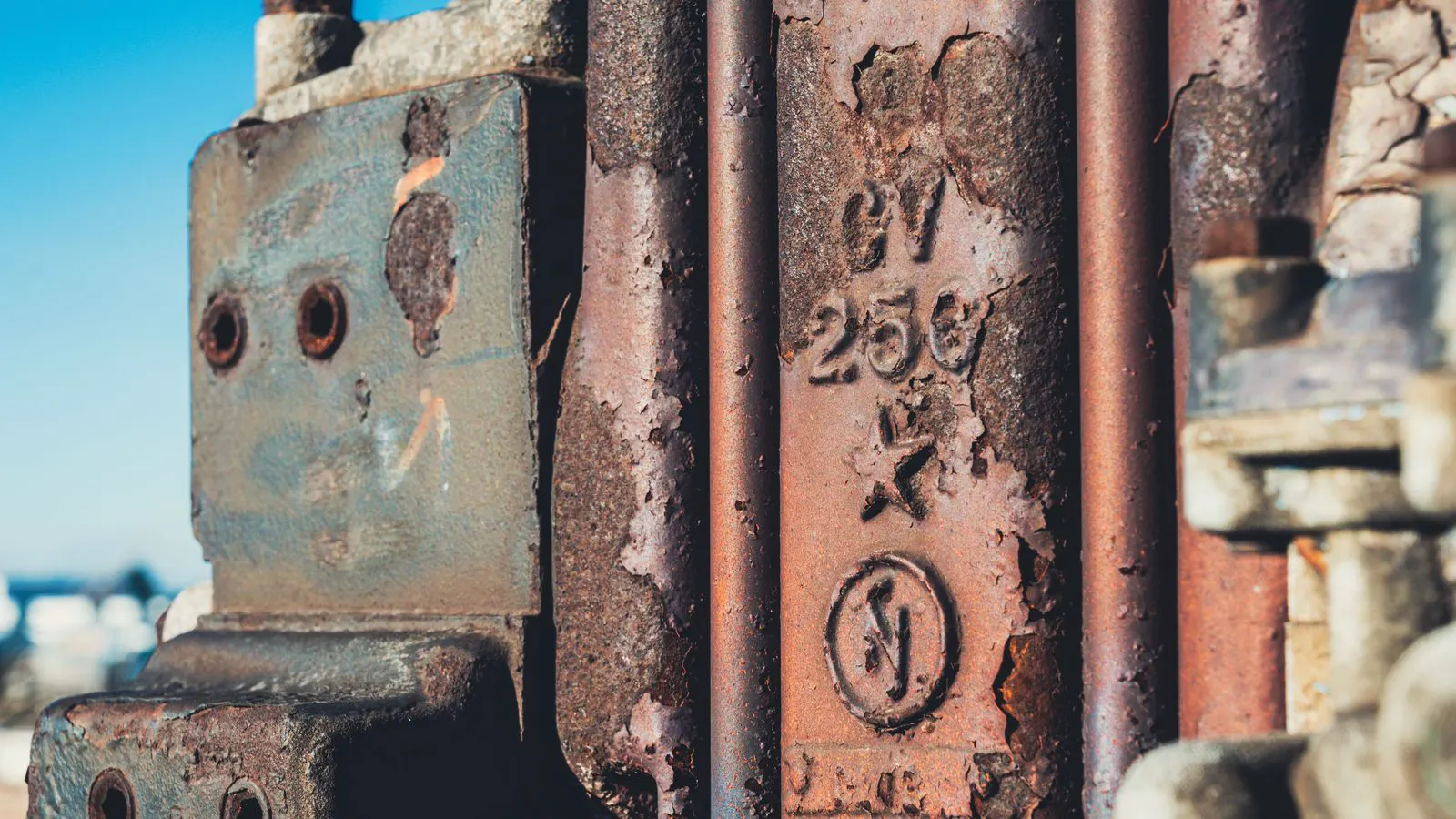
Rust formation on galvanized steel structures is a common trigger for re-coating. If the rust is only surface-level, a light abrasive pass may suffice. If the steel is pitted or the galvanizing layer is compromised, a more extensive surface treatment is needed. The site team must document the surface condition before pricing. Photographs of representative areas, along with a written description of contamination types such as oil, grease, salt spray residue, or previous coating failure, help the coating contractor price the work accurately.
What Coating System Complexity Adds to the Budget
The coating system itself is the largest material cost component. A single-layer primer over galvanized steel is a straightforward application. A three-system scheme with a primer, intermediate, and topcoat multiplies material costs. The number of coats is driven by the required corrosion protection level and the exposure environment.
Coating thickness requirements also affect cost. A thicker film requires more material per square meter and longer drying time between coats. This changes the project schedule. Each additional drying period adds calendar days, not just labor hours. For commercial steel buildings, the specification often calls for a minimum dry film thickness on vertical and horizontal surfaces. Horizontal surfaces may require a higher thickness to prevent pooling and ensure even coverage.
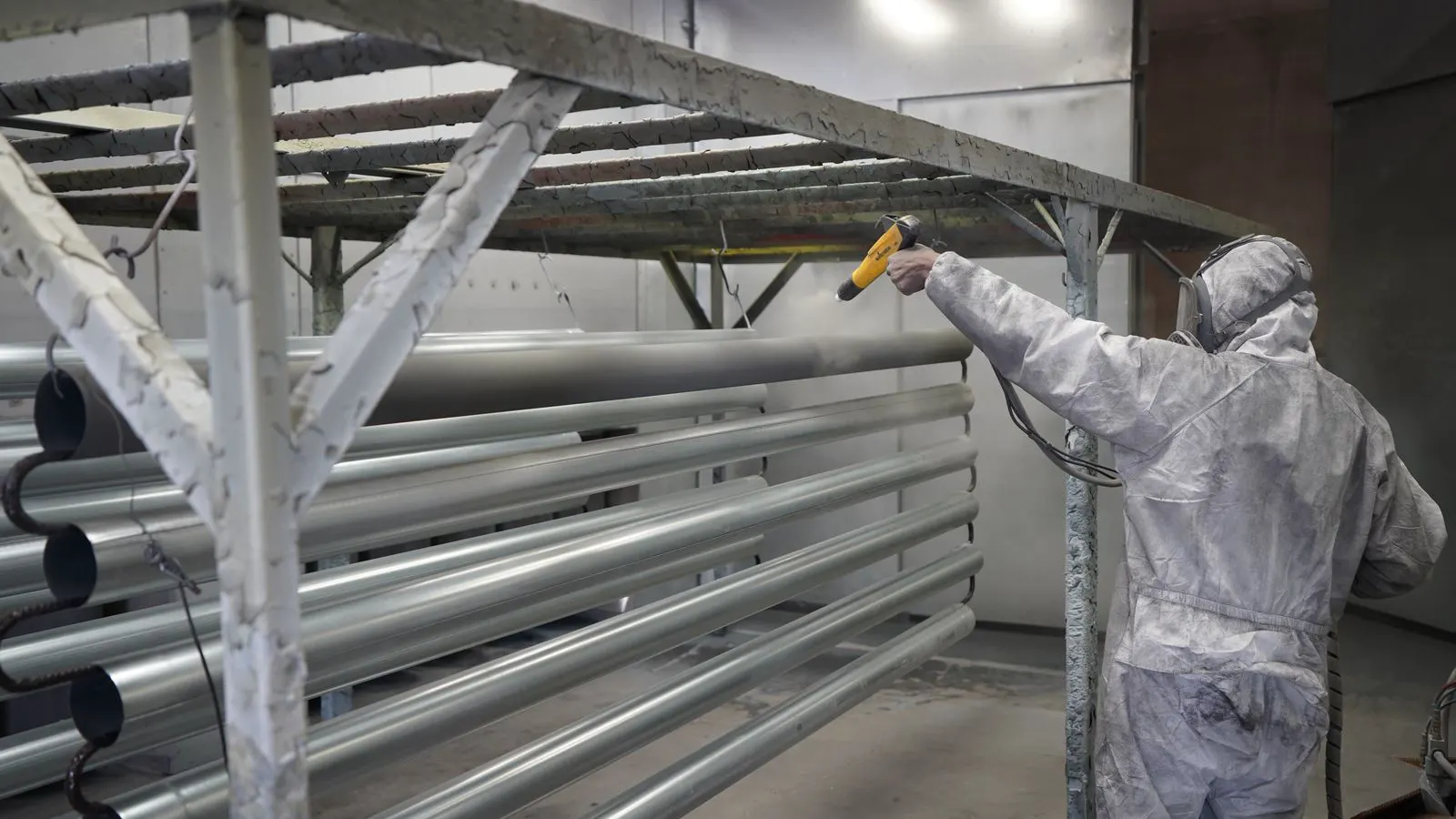
The type of coating material matters. Oil-based primers and polyurethane topcoats offer different durability and application conditions compared to waterborne or powder systems. Powder coating requires an oven, which changes the workflow. Powder coating is often applied at a coating facility rather than on site. This adds transport and handling costs but can reduce waste and improve finish consistency. Oil-based liquid coatings can be applied on site but require more careful handling of solvents and ventilation.
How Supply Chain Lead Time Affects the Schedule
Supply chain lead time for steel materials and coating supplies is a major scheduling risk. Structural steel members have their own fabrication and delivery schedule. Coating materials, if specified as a branded or specialty product, may have longer procurement windows than commodity items. The lead time for the coating system depends on the supplier, the region, and the season.
Surface preparation equipment adds another layer. Blasting equipment, spray rigs, and curing ovens are often rented or supplied by the coating contractor. If the equipment is scarce in the region, mobilization can add days to the schedule. The contractor must schedule surface prep before coating. If the steel arrives on site before the coating crew is ready, the members may be exposed to moisture and dust. This can degrade the surface and require re-preparation.
Multi-layer systems compound the lead time risk. Each coat must dry before the next. If one batch of coating material is delayed, the entire schedule shifts. A two-week delay in the primer supply can push the topcoat application back by three weeks if drying times are not compressed. The procurement team should identify critical path items early. The structural steel, the coating system, and the surface preparation method must all align in the construction sequence.
How to Write a Clear RFQ for Coating Work
A clear RFQ reduces quote variance and helps buyers compare bids fairly. The RFQ should specify the substrate material, such as hot-dip galvanized carbon steel or black steel, and the current surface condition. It should name the required coating system, including primer, intermediate, and topcoat, with the expected dry film thickness. The specification should reference applicable standards for surface preparation and coating application.
The RFQ must define the scope of work. Does the contractor prepare the surface, or does the buyer provide blast-cleaned members? Is the coating applied at the fabricator or on site? What is the acceptable temperature and humidity range for application? These details prevent assumptions. A vague request for “coating” leads to one contractor quoting a single-layer system and another quoting a three-system scheme. The total prices become incomparable.
Include the quantity of steel to be coated. Express this in square meters or square feet, broken down by area type if possible. Flat surfaces, flanges, and corners often require different coverage. A flat wall is easier to spray than the flanges of a beam. The contractor may charge a surcharge for difficult-to-reach areas. If the RFQ does not address accessibility, the contractor may add a contingency that inflates the price.
How to Compare Quotes Fairly
Do not compare only the total price. Break down the quotes into labor, materials, equipment, and surface preparation. Two contractors may quote similar totals, but one may include surface prep while the other assumes the buyer provides blast-cleaned members. This hidden difference can create a budget gap later.
Check the assumed coating waste factor. Powder coating has a different waste profile than liquid spraying. A contractor may assume a higher waste factor for complex geometries. The quote should state the assumed waste percentage. If the actual waste is lower, the contractor may not credit the buyer. If the waste is higher, the contractor may not absorb the extra material cost.
Review the payment terms. Some quotes include a mobilization fee that is due upfront. Others tie payment to milestones. The payment structure affects cash flow. A large upfront payment for coating materials can strain the project budget. Compare the terms alongside the price.
What Cost Drivers to Track in a Table
The following table summarizes the main cost drivers for steel coating on commercial steel buildings. Use this table to audit quotes and identify gaps.
| Cost Driver | Description | Impact on Budget and Schedule |
|---|---|---|
| Surface Preparation | Blasting, cleaning, or grinding to remove rust, oil, and previous coating. | Increases labor hours and abrasive consumption. Delays start if surface is worse than expected. |
| Coating System | Primer, intermediate, and topcoat layers. | Multiplies material cost per square meter. Adds drying time between coats. |
| Film Thickness | Minimum dry film thickness required by specification. | Thicker films require more material and longer cure time. |
| Accessibility | Flanges, corners, and tight spaces. | Increases spray time and waste. May require manual application. |
| Application Method | Powder coating, liquid spraying, or dip coating. | Powder requires oven and transport. Liquid requires on-site setup. |
| Environmental Conditions | Temperature, humidity, and wind. | May require heating, drying equipment, or schedule delays. |
How to Manage Risks and Contingencies
Budgeting for steel coating requires a contingency for unknowns. Surface condition is rarely uniform. A single area of pitting or oil contamination can extend the preparation time. The RFQ should allow for a small allowance for additional surface work. If the contractor discovers more rust than anticipated, the change order process should be clear.
Lead time risk is managed by early procurement. Order coating materials early if the specification is fixed. Confirm the supplier’s capacity. If the project is in a remote location, transport time must be added to the lead time. The coating team should arrive on site with all materials and equipment. Waiting for a partial delivery can idle the crew and delay the schedule.
Document the coating application. Photographs of each coat, along with temperature and humidity logs, create a record. If a coating defect appears later, the record shows whether the application met the specification. This protects the buyer and clarifies responsibility if a defect appears.
How to Plan the Budget and Schedule
Start with the surface condition assessment. Walk the site or review the fabricated members. Identify the areas that need preparation. This assessment drives the labor estimate. Next, define the coating system. The exposure environment, such as a coastal or industrial setting, determines the required protection level. A higher protection level means a more complex system and a higher cost.
Build the schedule backward from the required completion date. Identify the longest drying times. Allocate time for each coat. Add buffer for weather delays if the work is on site. Identify the critical path items. The structural steel delivery, the coating material delivery, and the crew mobilization must all align. A small delay in any one item can push the entire coating schedule.
Review the quotes against the cost driver table. Look for gaps. If a quote does not include surface preparation, add that cost to the total. If a quote assumes a lower waste factor, adjust the material cost. The goal is a comparable number, not just a low number. A low quote that misses a major cost driver is not a low quote. It is an incomplete quote.
Plan for change orders. Surface condition changes are common. Have a pre-approved allowance in the budget. Define the process for approving additional work. This prevents disputes and keeps the project moving. The coating work is a linear process. Delays in approval can idle the crew.
How to Verify the Final Result
The final coating must meet the specification. Inspect the surface for defects such as runs, orange peel, pinholes, or incomplete coverage. These defects are common on complex geometries. The inspection should be done at the manufacturer’s facility if the work is done off-site. If the work is on site, inspect the members before they are installed into the building.
Request the coating contractor’s quality report. This report should include the dry film thickness measurements, the environmental conditions during application, and any deviations from the specification. The report is a key document for the building’s maintenance records. It helps the owner understand the expected service life of the coating.
If a defect is found, the contractor should repair it. The repair process must match the original application. A spot repair with a different material can create a weak point. The specification should require that repairs use the same coating system. This ensures the repair area has the same durability as the surrounding surface.
Frequently asked questions
How much does steel coating cost per square meter?
Costs vary widely based on the coating system, surface preparation, and film thickness. A simple single-layer system costs less than a three-system scheme. Surface prep can double the labor cost if the steel is heavily rusted or contaminated.
What is the typical lead time for powder coating?
Powder coating lead time depends on the facility queue and the transport distance. It includes drying and curing time in the oven. For large commercial buildings, the lead time can be several weeks. The supplier should provide a confirmed schedule.
Can I apply coating on site?
Yes, liquid coating systems can be applied on site. Powder coating is usually applied at a facility. On-site application requires strict control of temperature and humidity. It may also require more waste material due to overspray.
How do I compare two coating quotes?
Break down each quote into labor, materials, equipment, and preparation. Check the assumed waste factor and the coating system. If one quote includes surface prep and the other does not, the totals are not comparable. Adjust for these differences before comparing.
What if the steel arrives with rust?
Document the rust condition with photographs and a written report. If the rust is minor, a light abrasive pass may be needed. If it is severe, the surface prep scope changes. Negotiate a change order or use the contingency allowance in the budget.