Troubleshooting Rust Formation on Galvanized Steel Structures
Unexpected rust on galvanized steel usually stems from coating damage, trapped moisture, or chemical exposure. This guide lists common symptoms, likely causes, and corrective actions, then offers prevention tips to maintain corrosion protection on structural steel.
- Rust on galvanized steel often appears where the coating is damaged or where moisture gets trapped.
- Corrective actions vary by symptom, so match the repair method to the underlying cause.
- Preventive maintenance includes regular inspection, cleaning, and touch-up coating.
- Proper storage and handling reduce the risk of early rust formation before installation.
- Documenting coating defects and repairs helps maintain corrosion protection over the structure's life.
What Does Unexpected Rust on Galvanized Steel Look Like
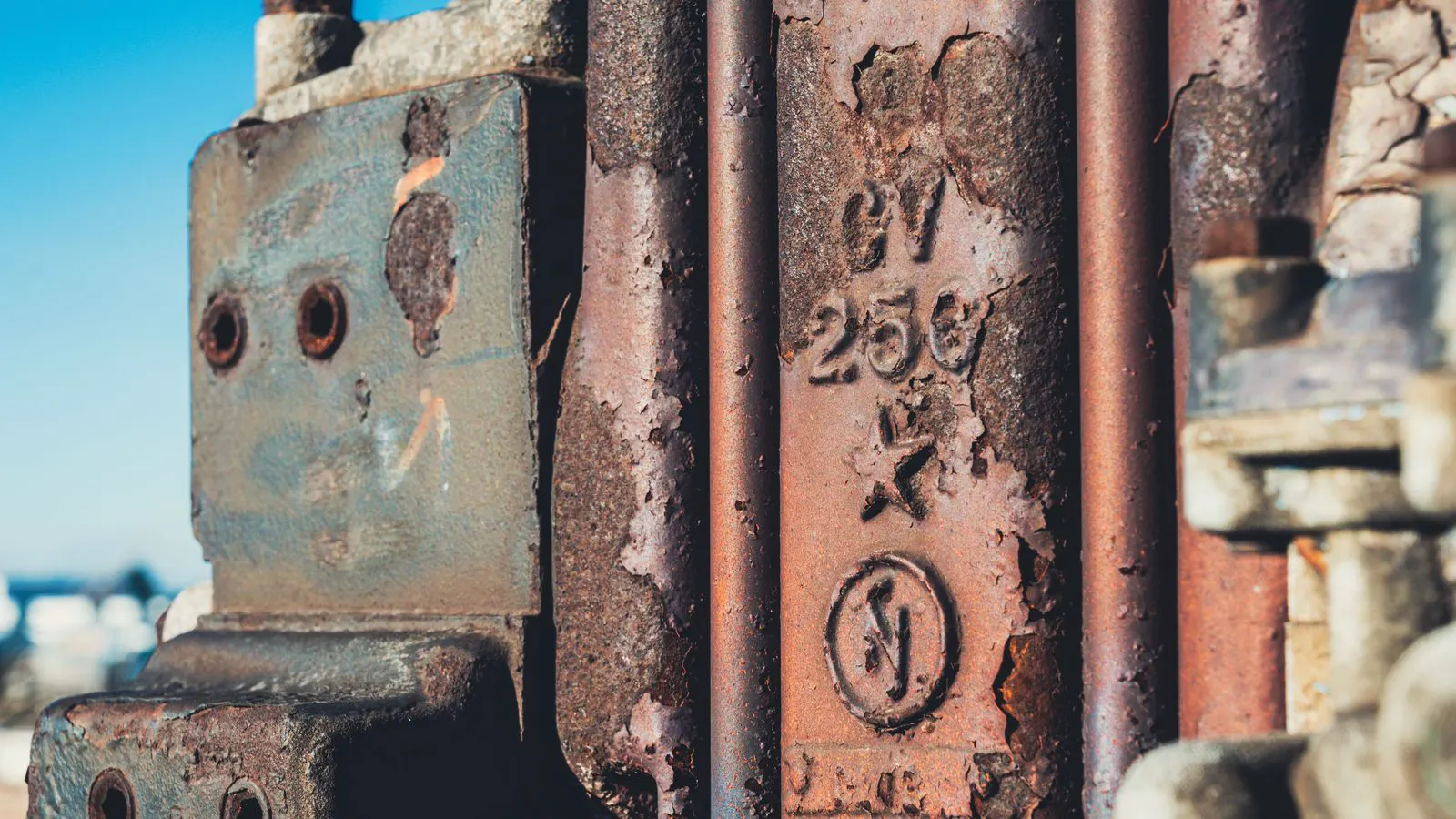
Rust on a galvanized steel structure is never normal. The zinc coating exists to slow corrosion, so visible rust signals that something has gone wrong. The problem may be minor, like a small spot after a scratch, or serious, like widespread red streaks from failed corrosion protection.
Common signs include:
- Reddish brown spots on the surface
- White chalky residue in some areas
- Peeling or blistering of the coating
- Dark staining on adjacent panels
- Rough, powdery texture where the metal has oxidized
The first step is to look closely at where the rust appears. Location matters. Rust near fasteners often points to trapped moisture or dissimilar metal contact. Rust along edges or corners suggests mechanical damage from handling. Rust in low points of the structure may indicate water pooling.
Do not panic. Early rust is usually manageable. The key is to identify the cause before the damage spreads.
Is the Rust from Coating Damage or Chemical Exposure
This distinction changes the fix. Coating damage creates a pathway for moisture to reach the bare steel. Chemical exposure can eat through the zinc layer even without a visible scratch.
Coating damage typically shows up as:
- Rust radiating from a single point
- Edges of a scratch that look burnt or dark
- Rust around punched holes or drill marks
- Discoloration where the steel was bent or formed
Chemical exposure often presents differently:
- Even rust patterns over a large area
- Rust after contact with soil, salt, or cleaning agents
- Discoloration with no single entry point
- Rust appearing after a new coating or sealant was applied nearby
If the rust is localized to a scratch or impact, the problem is likely physical. If it is spread across a panel or after a specific event, consider chemical or moisture-related causes.
Troubleshooting Rust Formation on Galvanized Steel
The table below maps common symptoms to likely causes and corrective actions. Use it to narrow down what you are dealing with.
| Symptom | Likely cause | What to do |
|---|---|---|
| Small rust spot at a scratch | Physical damage exposing bare steel | Clean the area, remove rust with a wire brush, apply zinc-based primer and touch-up paint |
| Rust around bolt holes | Trapped moisture or missing washers | Remove fasteners, clean threads, apply anti-corrosion washers or sealant, reassemble |
| Even rust across a panel | Chemical exposure or poor initial coating | Identify and remove the chemical source, assess coating integrity, recoat the affected area |
| Rust in low corners or seams | Water pooling or trapped condensation | Improve drainage, apply drainage channels or sealant, clean and dry the area, recoat |
| Blistering or peeling coating | Trapped moisture under the coating or poor adhesion | Grind back damaged coating to bare steel, clean, apply proper primer and topcoat |
| Dark staining near dissimilar metals | Galvanic corrosion from copper, brass, or carbon steel contact | Separate dissimilar metals with a barrier, use insulated washers, apply protective coating to the junction |
Each symptom points to a different underlying issue. The table is a starting point, not a final diagnosis. If you are unsure, take a close photo, note the location, and check the surrounding area for clues.
What to Do When You Find Rust on a Steel Structure
Once you have identified the symptom and likely cause, follow a systematic repair process. The goal is to stop the corrosion, restore the steel coating, and prevent recurrence.
-
Isolate the area. Use masking tape or plastic sheeting to protect surrounding panels and coatings. This keeps debris and cleaning agents off intact surfaces.
-
Remove the rust. Use a wire brush, sanding disc, or chemical rust remover. Work until you reach clean, bare metal. For small spots, a fine abrasive pad may be enough. For larger areas, a power tool is more practical.
-
Clean the surface. Wipe the area with a degreaser or solvent to remove dust, oil, and residual chemicals. Let it dry completely. Moisture left on the steel will defeat any new coating.
-
Apply a zinc-based primer. This restores the corrosion protection lost to rust. Zinc primers bond well to steel and provide a barrier against moisture.
-
Apply a compatible topcoat. Use a paint or coating that matches the existing steel coating system. If the structure uses a specific steel coating, check the product data sheet for compatible topcoats.
-
Inspect the repair. After the coating dries, check for coverage, adhesion, and evenness. A thin or uneven layer will fail faster than a proper one.
For fastener-related rust, replace any corroded bolts, washers, or nuts. Do not reuse hardware that shows significant rust. Use hot-dip galvanized or stainless steel fasteners where possible.
How to Prevent Rust Formation on Galvanized Steel
Prevention is cheaper than repair. A few habits during construction and maintenance can keep corrosion protection effective for years.
Handle the steel carefully. Galvanized steel is stronger than bare steel, but the zinc coating is brittle. Avoid dragging panels across rough surfaces. Use soft padding when stacking or moving steel profiles. If you must cut or drill, do it after galvanizing and treat the fresh edges immediately.
Control moisture. Water is the enemy. Ensure the structure has good drainage. Fix leaks in roof panels or cladding promptly. If the structure is in a humid environment, consider a ventilation plan to reduce condensation inside the frame.
Separate dissimilar metals. Copper, brass, and certain carbon steels can accelerate corrosion on galvanized steel. Use plastic or rubber gaskets, insulated washers, or a barrier coat at every point where dissimilar metals meet.
Inspect regularly. Check the structure at least once a year, or more often in coastal or industrial environments. Look at fasteners, edges, corners, and low points. Small rust spots are easy to fix. Large ones are not.
Use the right storage. Store steel profiles off the ground on wooden pallets or racking. Keep them covered but ventilated. Do not stack panels too high, which can crush edges and damage the coating.
When to Call a Professional
Some rust issues are beyond a simple touch-up. Call a qualified steel structure contractor or coating specialist if you see:
- Rust spreading across more than a small panel
- Structural members with pitting or thinning metal
- Coating failure over a large area
- Rust in hidden locations like inside hollow sections
- Corrosion that appears after a major repair or chemical exposure
A professional can assess the extent of the damage, determine if the structure is safe, and specify the right repair method. They can also provide documentation for warranties and maintenance records.
Do not ignore rust on load-bearing members. Even if the surface looks fine, corrosion can weaken the steel from the inside. Early intervention protects the structure and the investment.
What Coating Systems Work Best for Long-Term Protection
The steel coating you choose matters. A basic zinc layer is a good start, but it may not be enough for harsh environments. For long-term corrosion protection, consider multi-layer systems.
A common approach is:
- Hot-dip galvanized steel as the base
- A zinc-rich or epoxy primer on edges and damaged areas
- A polyester or polyurethane topcoat for color and UV resistance
This combination gives you the sacrificial protection of zinc plus the barrier protection of a topcoat. The topcoat slows the rate at which moisture reaches the zinc, extending the life of the whole system.
For coastal or industrial sites, look at coating systems designed for high salt or chemical exposure. These often use thicker zinc layers or additional barrier coats. The goal is to match the steel coating to the environment and the structure’s expected service life.
Check the coating specification in your project documents. If the structure was designed for a certain coating system, stick to it when repairing. Mixing incompatible coatings can cause peeling or poor adhesion.
Quick Checklist for Owners and Engineers
Before you start any repair or inspection, run through this list:
- Identify the rust location and pattern
- Check for recent damage, chemical exposure, or water intrusion
- Document the area with photos and notes
- Isolate the work zone
- Remove rust to bare metal
- Clean and dry the surface
- Apply zinc-based primer
- Apply compatible topcoat
- Inspect the repair for coverage and adhesion
- Note the date and method in the maintenance log
This routine keeps repairs consistent and makes future inspections easier. A simple logbook with dates, locations, and actions helps track the condition of the steel coating over time.
Rust on galvanized steel is a signal, not a sentence. With the right diagnosis and repair, you can restore the corrosion protection and keep the structure sound.
Frequently asked questions
Can I paint over rust on galvanized steel?
No. Painting over rust traps moisture and hides the corrosion. You must remove the rust, clean the surface, and apply a proper primer before any topcoat.
What is the fastest way to remove rust from a small area?
Use a wire brush or fine abrasive pad to remove the rust until you reach bare steel. For small spots, this is usually enough before applying a zinc-based primer.
How often should I inspect a galvanized steel structure?
Check at least once a year, or more often in coastal, industrial, or high-humidity environments. Focus on fasteners, edges, corners, and low points.
Is rust around bolt holes always a problem?
Yes. Rust around bolt holes often means moisture is trapped or the fastener is corroding. Remove the fastener, clean the threads, and replace with anti-corrosion hardware if needed.
Can I use regular house paint on a steel structure?
No. House paint is not designed for structural steel. Use a steel-specific coating system with a compatible primer and topcoat to maintain corrosion protection.