Checklist: Verifying Supplier Fabrication Capabilities Before Awarding Work

A structured supplier evaluation checklist helps buyers verify a steel fabricator's real capacity. It covers plant equipment, personnel, quality controls, and documentation. Use it to reduce risk before awarding complex structural work.
- A written supplier evaluation checklist prevents gaps between design intent and on-site fabrication performance.
- Verify physical plant capacity, not just catalog claims, especially for long or heavy components.
- Require traceability documents for every major structural element and weld point.
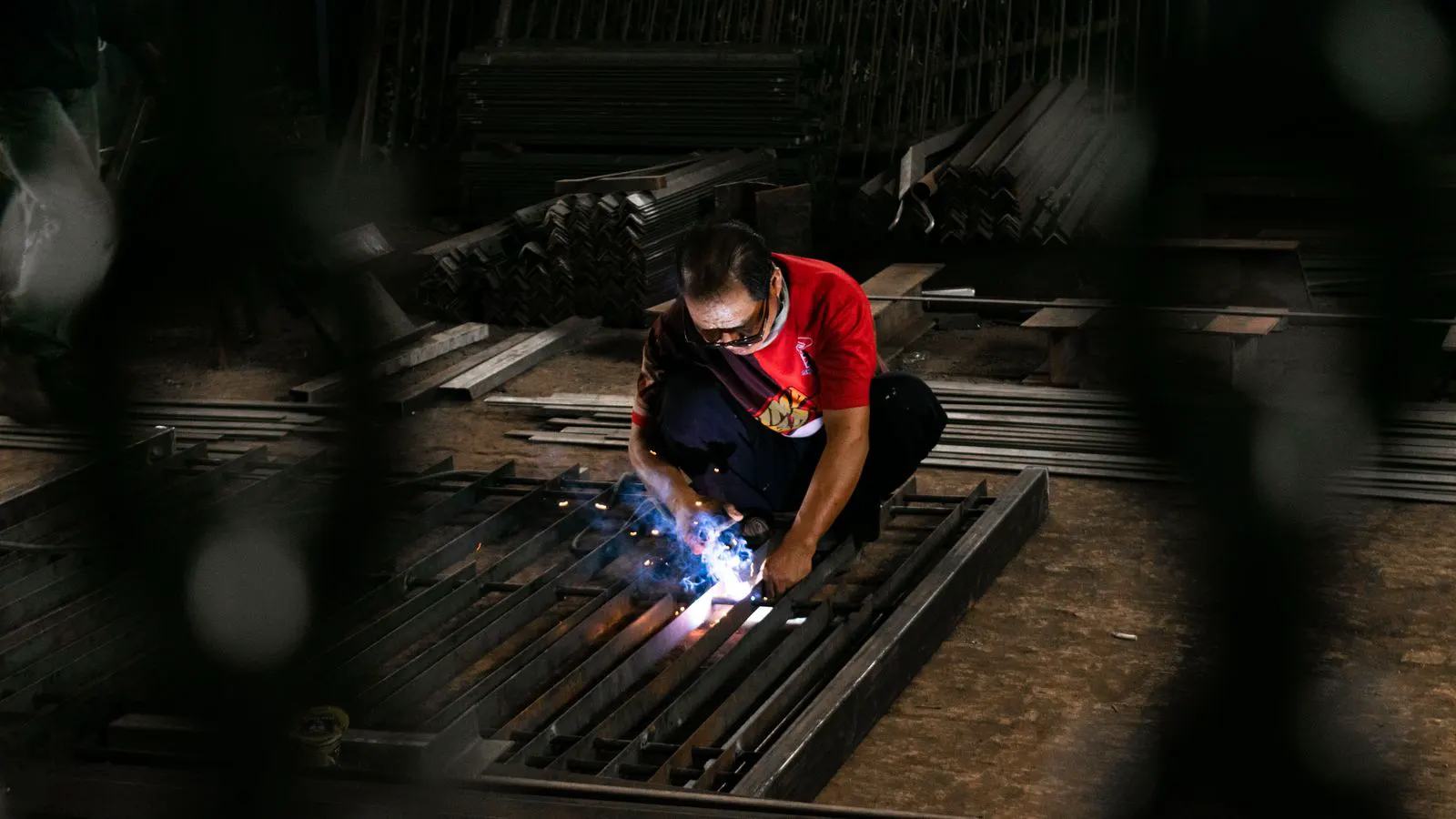
- Conduct a site visit to observe workflow, safety practices, and material handling.
- Confirm the supplier can meet your inspection hold points and third-party testing requirements.
Why a Formal Supplier Evaluation Checklist Matters
Awarding complex structural steel work to a single supplier is a high-risk decision. The supplier must match your drawings, manage tolerances, and deliver components that assemble quickly in the field. A written evaluation process protects the project owner from delays, change orders, and field rework.
This checklist is for buyers, project managers, and engineers who need to verify a supplier fabrication capability before contract signature. It is not a substitute for a full due diligence review. It is a practical tool to confirm that the supplier can actually deliver what the design requires.
Section 1: Physical Plant and Equipment Capacity
Check the physical plant first. A supplier may list impressive capabilities on a website, but the real test is what the factory floor can handle.
- Longest member capability. Confirm the maximum length a member can be rolled, cut, and lifted. If your design includes long columns or purlins, verify the factory can accommodate them without splicing. Spliced members reduce strength and complicate field assembly.
- Heaviest lift capability. Verify the capacity of overhead cranes and floor handling. Ask for the maximum single-piece lift limit. If the design includes heavy trusses or moment frames, the plant must have equipment rated for those weights.
- Nesting and layout software. Confirm the supplier uses automated nesting or layout software for plate cutting and drilling. This reduces material waste and improves hole alignment. Ask to see a sample nesting layout from a recent project of similar complexity.
- Welding cell capacity. If the design includes heavily welded connections, ask how many welding cells are available. Ask for the welder certification records for those specific processes, such as GMAW, SMAW, or SAW.
- Painting and coating area. Confirm the size of the paint shop relative to your longest and widest members. Ask about the drying time and whether the supplier can maintain a continuous flow of work without bottlenecks.
A key red flag is a supplier who cannot explain how they handle long, slender members. If they cannot describe their lifting method for a 20-meter column, they are not ready for the job.
Section 2: Personnel and Technical Staff
Fabrication quality depends on people, not just machines. The supplier must have enough skilled labor to meet the schedule.
- Welder certifications. Request a list of active welders and their certifications. Check that the certifications cover the specific joint types in your design. A certified welder for flat fillet welds is not the same as one for full penetration butt welds.
- Foreman experience. Confirm the experience of the fabrication foreman assigned to your project. Ask for examples of similar projects they have managed. A good foreman understands how to sequence work to avoid congestion in the plant.
- Quality control staff. Verify the number of full-time quality control inspectors. Do not rely on subcontracted inspection for critical welds. Ask for the ratio of inspectors to welders on the shop floor.
- Engineering support. Confirm that the supplier has in-house engineers who can review drawings for constructability. Ask them to identify any potential fabrication or erection issues before production starts.
A red flag is a supplier who says “we have the best welders” but cannot provide the specific certification numbers or dates. This suggests the labor pool may be unstable or the quality control process is informal.
Section 3: Quality Control and Inspection
Quality control must be integrated into the production flow, not just checked at the end. The supplier needs a defined process for catching errors early.
- Incoming material inspection. Confirm the supplier checks mill test certificates for every steel plate and section. Ask how they verify material grades and chemistry.
- Pre-weld inspection. Check if they perform visual and dimensional checks before welding. This includes verifying fit-up, alignment, and gap sizes.
- Weld inspection. Confirm the method for inspecting critical welds. This may include visual, ultrasonic, or radiographic testing. Ask for the acceptance criteria based on your project specification.
- Final shop inspection. Verify that a final inspection covers all dimensions, hole patterns, and surface preparation. This is the last chance to fix errors before shipping.
- Non-conformance process. Ask how the supplier handles defects. Do they have a documented process for recording, analyzing, and correcting non-conforming work?
A red flag is a supplier who only offers “final inspection.” If they do not have hold points at critical stages, a small error in one component can cascade into a major field problem.
Section 4: Documentation and Traceability
Documentation is the backbone of quality assurance. Without proper records, you cannot prove what was done and how it was done.
- Material traceability. Confirm the supplier provides mill test certificates for every plate, beam, and connection. These documents must be linked to specific components.
- Weld records. Request a sample weld log. It should show the welder, the joint type, the process, and the inspection result.
- As-built drawings. Confirm the supplier will provide as-built drawings that reflect any changes made during fabrication. This is critical for the project record.
- Coating records. Verify the supplier provides records of surface preparation and paint application. This includes surface profile measurements and film thickness tests.
A red flag is a supplier who says “we keep all records” but cannot show you a sample package for a recent project. If they cannot provide documentation for a past job, they will not provide it for yours.
Section 5: Logistics and Delivery
The supplier must deliver components on time and in a condition that allows for quick erection.
- Shipping schedule. Confirm the supplier can provide a detailed shipment schedule aligned with your erection sequence. Ask how they coordinate with the erection contractor.
- Packaging and protection. Verify how they protect components during transport. This includes edge protection, bracing, and corrosion protection.
- Loading and unloading. Confirm the supplier has the equipment to load heavy items safely. Ask about the lifting gear used and the condition of the rigging hardware.
- Delivery documentation. Ensure the supplier provides a packing list, shipping manifest, and quality certificate for each delivery.
A red flag is a supplier who does not have a dedicated logistics coordinator. If the shipment schedule is managed by an admin clerk, there is a high risk of miscommunication and delays.
Section 6: Financial and Contractual Health
A capable supplier that is financially unstable can still fail your project.
- Bank references. Request bank references and verify them directly.
- Insurance. Confirm the supplier has adequate liability and professional indemnity insurance.
- Subcontractor usage. Ask what percentage of work is subcontracted. If a large portion is outsourced, verify the quality control of those subcontractors.
- Contract terms. Review the contract for clear payment terms, penalty clauses for delays, and warranty provisions.
A red flag is a supplier who pressures you for a large upfront payment. This can be a sign of cash flow problems.
Section 7: Site Visit and Audit
A site visit is the most effective way to verify claims. Schedule a visit during production, not during a quiet period.
- Observe the workflow. Watch how materials move from delivery to painting. Look for congestion, spills, or disorganized work.
- Check safety practices. Observe how workers handle heavy loads. Look for proper PPE and safe working platforms.
- Talk to the workers. Speak with welders and inspectors. Ask about their experience and the current project load.
- Review the quality room. Visit the area where quality records are stored. Check if records are organized and accessible.
A red flag is a supplier who refuses a site visit or only shows you the office. The plant floor tells the real story.
Comparison: Key Capabilities to Verify
| Capability Area | What to Verify | Red Flag |
|---|---|---|
| Plant Size | Max length and weight of members | Cannot explain lifting method for long columns |
| Welding | Welder certifications for specific joint types | No specific certification numbers provided |
| Quality Control | Hold points at critical stages | Only offers final inspection |
| Documentation | Mill test certificates and weld logs | Cannot show sample records for past projects |
| Logistics | Dedicated coordinator and packing method | Shipment managed by admin clerk |
Final Steps for the Buyer
Use this checklist as a scoring tool. Assign points for each item based on the supplier’s response. A supplier who cannot answer a question is not ready to bid on your project.
Do not let price be the only factor. A lower bid often reflects hidden costs, such as field rework or delays. A reliable supplier saves money over the life of the project.
Keep a copy of this checklist for every project. Update it as you learn from past projects. The best supplier evaluation process is one that improves with every award.
Frequently asked questions
How many times should I visit the supplier plant before awarding work?
One site visit during production is minimum. A second visit after the first fabrication package is complete can confirm consistency.
What if the supplier subcontracted the painting work?
Verify the subcontractor's certifications and request their mill test certificates. Ensure the main supplier remains responsible for the final inspection.
Can I use this checklist for small residential projects?
Yes, but simplify it. Focus on material traceability, welder certification, and delivery schedule. You may not need a full audit for a small building.
Who should complete the supplier evaluation checklist?
The project manager or procurement officer should lead it. The structural engineer should review the technical items, such as weld types and tolerances.
What is the most common mistake in supplier evaluation?
Trusting the website instead of the plant floor. Many suppliers have impressive marketing but limited actual capacity. Always verify physical capability.