How to Assess Steel Supplier Lead Times for Tight Construction Schedules
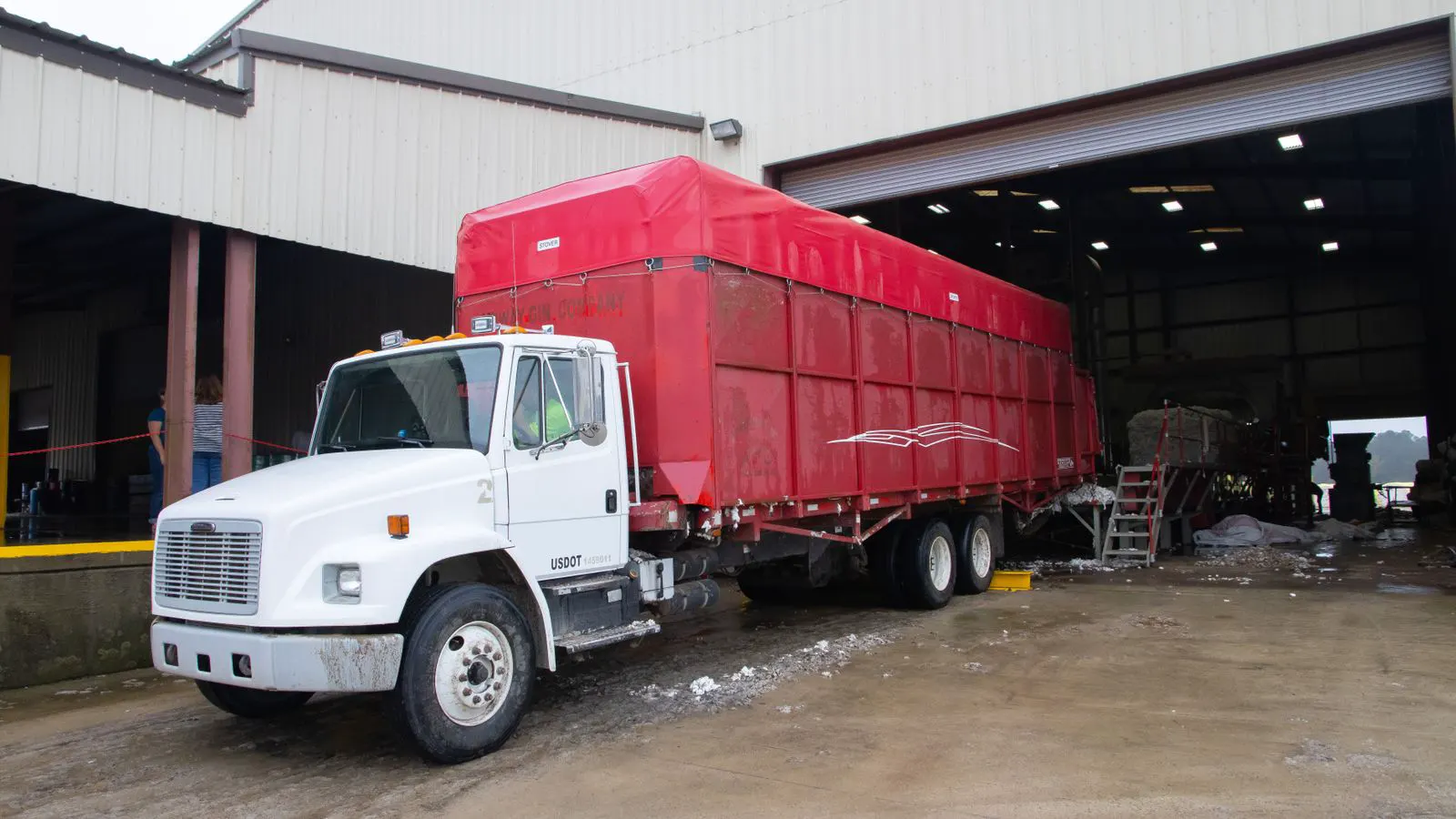
To manage steel supplier lead times on tight schedules, verify mill and fab capacity, align delivery windows with site readiness, and use contract clauses that trigger penalties for delays while protecting both parties from force majeure.
- Separate mill lead time from fabrication lead time to identify the true bottleneck.
- Align the first delivery with site readiness to avoid demobilization costs.
- Use contract language to trigger penalties for delays while protecting both parties from force majeure.
Prerequisites: What You Need Before Negotiating
Before opening a conversation with a steel supplier about delivery windows, confirm that your internal data is clean. A lead time estimate without a verified drawing set is just a guess.
First, finalize the structural design. Changes to member sizes, connection types, or bracing patterns alter the tonnage and the number of unique parts. If the design is still in review, ask the supplier to hold a preliminary quote, but do not use that quote for schedule planning.
Second, verify your site readiness. The steel supplier will not ship a 500-ton building frame to a site with no access road or no crane pads. If the site is not ready, the supplier will either delay shipment or charge for storage. Confirm your site access dates with the civil contractor and your crane operator.
Third, define your delivery windows. Do not just say “deliver in Q3.” Specify dates. A window of “October 15 to October 30” gives the supplier flexibility. A single date like “October 20” is a hard target that triggers penalties if missed.
Step 1: Separate Mill Lead Time from Fabrication Lead Time
The number you hear is rarely the number you need. “Lead time” is often a single number that blends two different processes. You must break it down.
Mill lead time is the time from purchase order to the mill gate. This includes raw material availability, rolling, cutting, and hot or cold forming. This part is usually fixed by the mill’s schedule and cannot be compressed without expediting fees.
Fabrication lead time is the time from mill delivery to the fab shop floor. This includes cutting, welding, drilling, priming, and loading. This part varies by shop capacity, crew availability, and the complexity of the connection details.
Ask for both numbers separately. If a supplier gives you a single “12-week lead time,” ask how many weeks are mill and how many are fab. If the mill portion is 8 weeks and fab is 4 weeks, and you need to cut the total by 2 weeks, you know where to apply pressure. You cannot negotiate the mill’s rolling schedule. You can, however, negotiate the fab shop’s crew allocation.
Step 2: Review the Supplier’s Current Shop Load
A supplier’s theoretical lead time is not their actual lead time. Their shop load determines when your job can start.
Request a current shop load report or a capacity summary. This shows which jobs are currently in the shop, their completion dates, and the estimated duration of each. If the shop is full for the next three months, your job will not start until the first slot opens.
Look for red flags. If a supplier quotes a 6-week fab lead time but their shop load shows jobs scheduled for 10 weeks out, their quote is optimistic. This happens when sales teams promise dates to win work and engineering teams quietly adjust the schedule later.
Ask about crew turnover. A shop that loses half its welding crew in a quarter will see lead times stretch. Ask how the supplier plans to cover your job if their regular crew is unavailable. They should have a plan. If they do not, their lead time is at risk.
Step 3: Align Your First Delivery with Site Readiness
The first delivery is the most sensitive. It sets the tone for the entire schedule. If the first delivery arrives before the site is ready, it sits in the yard. If it arrives after the site is ready, the erection crew sits idle.
Map your erection sequence. Determine which members arrive first. Usually, this is the columns and the base plates. Confirm that the ground is prepared, the foundations are poured, and the crane pads are ready.
Align the supplier’s delivery date with your site readiness date. If your site is ready on October 10, do not order a first delivery for September 25. That steel will sit in the rain and you will pay for storage. If your site is not ready until October 20, do not order a first delivery for October 10. The erection crew will wait.
Build a buffer. A two-week buffer between site readiness and first delivery absorbs minor delays. If the foundations are two days late, the steel is still waiting. If the steel is two days late, the site is still ready.
Step 4: Use Contract Clauses to Manage Delay Risk
The lead time is only as good as the contract. A verbal promise is not a schedule. Put the delivery dates in the agreement.
Specify the delivery dates in the contract. Not just the total lead time, but the specific dates for each delivery. “First delivery: October 10. Second delivery: October 25. Final delivery: November 15.”
Add delay penalties. If the supplier misses a delivery date, there should be a financial penalty. The penalty should be tied to the critical path. If a two-day delay to the first delivery pushes the whole project back two weeks, the penalty should reflect that cost.
But also add a force majeure clause. If a mill is shut down by a natural disaster, or if a transport route is blocked by weather, the supplier should not be liable. This protects them from impossible penalties and keeps the relationship workable.
Review the payment schedule. If you pay 80% upfront, you have less use if they miss the date. If you pay 20% upfront, 40% at mill delivery, and 40% at site delivery, you have more control. Tie the final payment to the actual delivery date, not the scheduled date.
Step 5: Monitor the Supply Chain, Not Just the Shop
The steel supplier is the middleman. They buy from mills and ship with carriers. You need visibility into both.
Ask for the mill delivery date. Not just the fab completion date, but the date the steel will arrive at the fab shop. If the mill is late, the fab is late. You need to know when the steel is actually moving.
Ask for the transport schedule. Once the steel is fabricated and loaded, it will ship. Ask for the carrier name and the truck or rail schedule. If the steel is sitting at the fab shop for three weeks waiting for a truck, your lead time is still open.
Set up weekly check-ins. Do not wait for the supplier to call you. Call them. Ask for the status of the mill delivery. Ask for the status of the fab shop. Ask for the transport schedule. This is not micromanagement. This is schedule management.
Common Mistakes That Derail Steel Delivery
Buyers make the same mistakes every cycle. The most common is treating lead time as a fixed number. It is not. It is a moving target that changes with mill capacity, crew availability, and site conditions.
Another mistake is not defining the delivery windows. “Deliver in Q3” is not a date. It is a season. A supplier will deliver when it is convenient for them, not when it is convenient for your site.
A third mistake is not checking the site readiness. If you do not confirm that the foundations are poured, the steel will sit. If you do not confirm that the crane pads are ready, the erection crew will wait.
A fourth mistake is not putting the dates in the contract. A verbal promise is not a schedule. If the supplier misses the date, you have no use. The dates must be in the agreement, with penalties tied to them.
Final Verification Step: Confirm the Delivery Plan in Writing
Before you sign the contract, ask the supplier to send a written delivery plan. This is not a quote. It is a schedule. It should list each delivery, the date, the contents, and the site readiness requirements.
Review the plan with your erection contractor. Does the delivery date match the erection sequence? Does the first delivery match the site readiness date? If there is a mismatch, fix it now.
Review the plan with your site manager. Can the site receive the steel on the scheduled date? Is there space to stage it? If the answer is no, adjust the delivery date.
Once the plan is approved, get it in writing. Email is fine. A signed addendum is better. This is your baseline. If the supplier misses a date, you have a documented record. If the site is not ready, you have a documented record. If the mill is late, you have a documented record.
The delivery plan is your schedule management tool. It turns a vague lead time into a specific, trackable schedule. It gives you use. It gives the supplier clarity. It keeps the project moving.
Table: Delivery Milestones and Owner Actions
| Milestone | Owner | Action |
|---|---|---|
| Design Freeze | Project Manager | Finalize drawings and member sizes |
| Mill PO | Procurement | Issue PO to mill with delivery date |
| Mill Delivery | Supplier | Confirm mill delivery date in writing |
| Site Readiness | Site Manager | Confirm foundations and crane pads are ready |
| First Delivery | Supplier | Deliver first members to site |
| Erection Start | Erection Contractor | Begin erection sequence |
| Final Delivery | Supplier | Deliver final members and connect |
Frequently asked questions
How long does it take to get a lead time quote from a steel supplier?
Most suppliers provide a preliminary lead time within a few days. A firm lead time after design freeze may take two to four weeks, depending on the complexity of the project and the supplier's current shop load.
Can I expedite a steel delivery if I am behind schedule?
Yes, but it costs. You can pay for expedited milling, priority fab crew allocation, or air freight. The cost will be significant. Review the cost against the cost of delaying the project.
What if the mill is late and the supplier blames the mill?
Review your contract. If the supplier took the risk of the mill delivery date, they should bear the delay. If the contract shifts the risk to you, you have less use. In future contracts, specify the mill delivery date as a supplier obligation.
How do I verify that the supplier's shop load is accurate?
Ask for a current shop load report. Cross-check the completion dates of existing jobs. If a job that is scheduled for next month is already complete, the shop is ahead of schedule. If a job that is scheduled for last month is still in the shop, the shop is behind.
Can I change the delivery date after signing the contract?
Yes, but it requires a contract amendment. If you move the first delivery date, you may need to move the erection start date. If you move the final delivery date, you may need to adjust the payment schedule. Get all changes in writing. ===END===