Comparison: Light Gauge vs Heavy Steel for High Bay Warehouses
Light gauge steel offers speed and lower material cost for moderate loads, while heavy steel frames handle deeper racking and higher wind loads. The choice depends on rack height, bay size, and local code requirements.
- Light gauge steel frames suit high bays with moderate loads and standard rack heights.
- Heavy steel frames perform better for deep racking, large spans, and high wind zones.
- Frame selection must match rack design, local building codes, and long term maintenance plans.
- Cost differences shift based on span, load, and construction speed rather than material price alone.
How High Bay Demands Change Frame Requirements
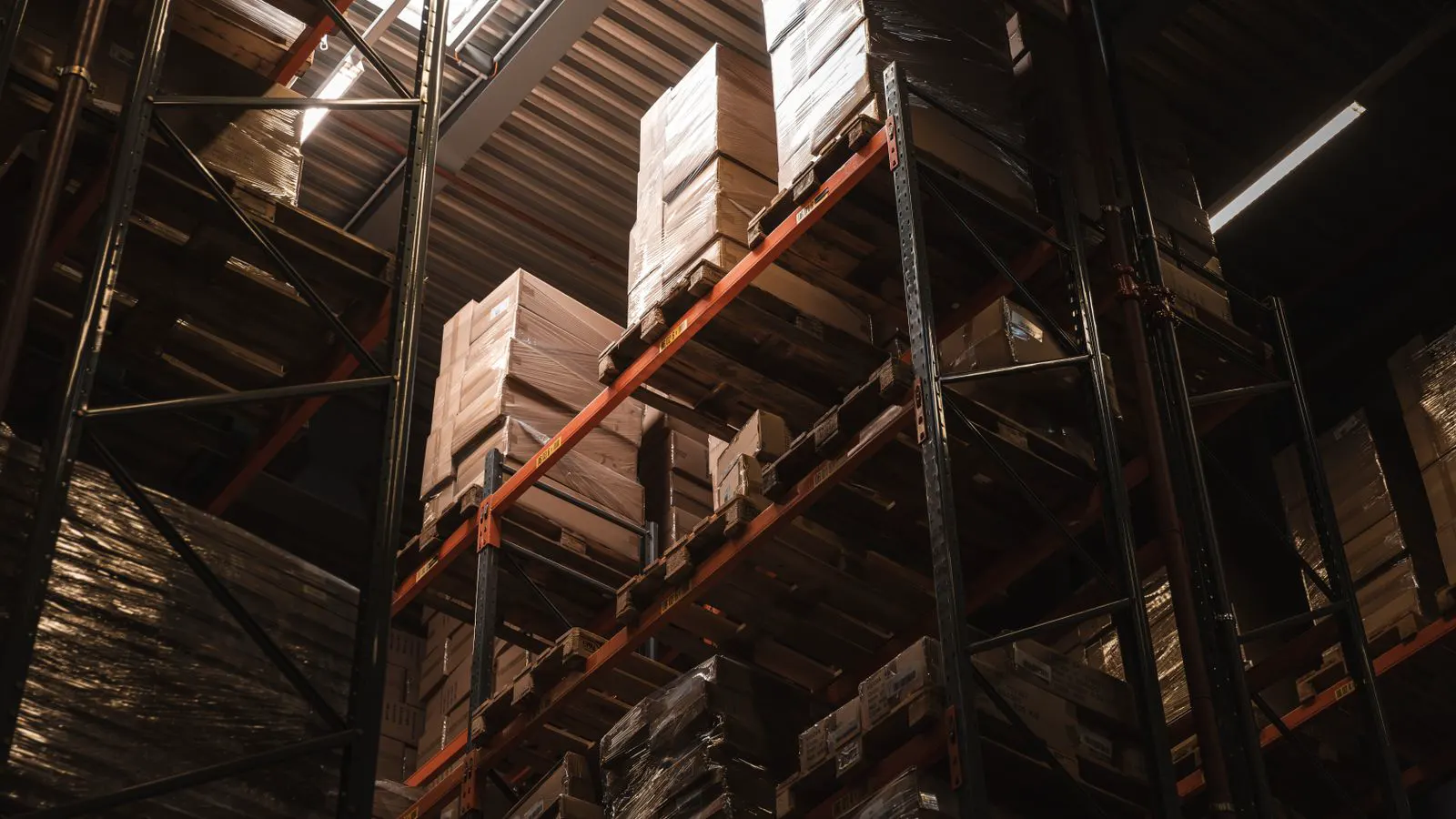
High bay warehouses push structural steel frames beyond the limits of standard low bay buildings. The frames must support tall storage racking, larger column loads, and often deeper racking systems that shift weight across the structure.
Light gauge steel and heavy steel frames both work in these buildings. The right choice depends on rack height, bay width, and the expected load on the columns. Engineers often compare the two options before moving to detailed design.
A typical high bay warehouse may use columns that span 12 to 18 meters. The frame must resist gravity loads from the racks, lateral loads from wind, and possible seismic forces depending on location. Lighter frames can work well when the loads are predictable and the racking is standard. Heavier frames take over when the building needs more stiffness or the racking pushes near the upper limits of light gauge design.
Load Capacity and Deflection Behavior
The first comparison point is load capacity. Light gauge steel frames use thinner steel sections, often C or Z shaped purlins and lighter columns. They work well when the rack loads are evenly distributed and the storage depth is moderate.
Heavy steel frames use deeper sections with higher moment of inertia. They carry more load at the same deflection. This matters in high bays because excessive column sway can affect rack alignment over time.
Deflection limits are part of the design. Codes often limit lateral deflection to a fraction of the height. Lighter frames may reach that limit at lower loads. Heavier frames hold the same deflection with more margin.
| Option | Best for | Limitations |
|---|---|---|
| Light gauge steel | Moderate loads, standard racking, shorter construction timelines | Limited by span, high wind loads, and heavy racking depths |
| Heavy steel | Deep racking, large spans, high wind and seismic zones | Higher material and connection costs, longer fabrication lead times |
| Hybrid light gauge with heavy columns | Buildings with moderate roof loads but high racking loads | Requires careful interface design between roof and column systems |
| Heavy steel with light roof purlins | High load buildings that want to reduce roof weight | More complex detailing at column to roof connections |
Cost Considerations Beyond Material Price
Material cost is only one part of the total project budget. Light gauge steel often costs less per ton because the sections are lighter. However, the total cost includes connections, foundation sizes, and erection time.
In a high bay warehouse, lighter columns may require deeper foundations if the wind load is high. That can offset savings from the steel itself. Heavy steel frames can reduce foundation depth in some cases because the structure resists lateral loads with less deflection.
Erection time also matters. Light gauge frames often use bolted connections that are faster to assemble. Heavy steel frames can take longer due to heavier members and larger connections. Faster erection can reduce labor costs and shorten the project schedule.
Engineers should compare the whole system, not just the steel price. A frame that is cheap to buy but slow to install may cost more than a heavier frame that installs quickly.
Performance in Wind and Seismic Conditions
Wind loads are a major driver in frame selection. High bay warehouses have large open areas and tall walls. Wind pressure on the roof and walls creates lateral forces that the frame must resist.
Light gauge steel frames can handle moderate wind loads if the design includes proper bracing and connections. Heavy steel frames provide more stiffness and can resist higher lateral forces with less deflection. In high wind zones, heavy steel often becomes the practical choice.
Seismic performance follows a similar pattern. Lighter frames may have less mass, which can reduce seismic forces. However, they also have less strength to resist those forces. Heavy steel frames provide more ductility and energy absorption, which can be advantageous in seismic regions.
The final decision often comes down to the local code and the site conditions. A frame that works in a low wind area may fail in a coastal or mountainous region. Engineers check the load combinations and verify that the frame meets the required strength and serviceability criteria.
When to Choose Light Gauge Steel
Light gauge steel is a strong option when the warehouse has moderate loads and standard racking. It works well for buildings with rack heights in the typical range and bay widths that do not push the frame into large span territory.
The main advantage is speed. Light gauge frames are easier to handle on site and can be erected with fewer workers. This can be useful when the project has a tight deadline. The lighter members also make transport easier in some cases.
Light gauge steel is not the right choice for every high bay. If the racking is very deep or the loads are uneven, the frame may not perform well. In those cases, the cost savings from lighter steel can disappear when the design is revised to meet the actual loads.
When to Choose Heavy Steel
Heavy steel frames are selected when the building needs more strength and stiffness. Deep racking, large bay spans, and high wind loads all point toward heavier sections.
The cost is higher, but the performance gain can justify it. Heavy steel frames resist deflection better and maintain rack alignment over longer periods. This is useful in buildings where the racking is critical to the operation of the warehouse.
Heavy steel also works well when the site has high seismic or wind demands. The additional strength and stiffness reduce the risk of serviceability issues that can be difficult to fix after the building is occupied.
Practical Design Checks for Frame Selection
Engineers use a set of checks to compare light gauge and heavy steel frames. The first check is the gravity load from the racks. The second is the lateral load from wind and seismic forces. The third is the deflection limit at the column top.
The fourth check is the connection design. Light gauge frames often rely on bolted connections that must be sized for the actual loads. Heavy steel frames may use welded or heavy bolted connections that require more detailing.
The fifth check is the foundation size. A lighter frame may need deeper foundations if the lateral loads are high. A heavier frame may need smaller foundations if the structure resists those loads with more stiffness.
| Check | Light Gauge Consideration | Heavy Steel Consideration |
|---|---|---|
| Gravity load | Suitable for moderate rack loads | Better for deep or heavy racking |
| Lateral load | Needs bracing for high wind or seismic | Handles lateral loads with less deflection |
| Deflection | May reach limits at higher loads | Maintains stiffness under heavy loads |
| Connections | Bolted connections, easier erection | Heavier connections, more detailing |
| Foundations | May need deeper footings for lateral loads | May reduce foundation depth in some cases |
Cost-Lead-Time Trade-Offs in Practice
The lead time for structural steel can affect the project schedule. Light gauge steel often has shorter fabrication times because the sections are lighter and easier to handle. Heavy steel frames may take longer due to the size of the members and the complexity of the connections.
In a high bay warehouse, the schedule can be tight. If the building needs to be occupied quickly, a lighter frame may help. If the loads are heavy, the extra time for heavy steel fabrication may be unavoidable.
Engineers can reduce lead time by standardizing the frame design. Using repeatable details and common section sizes can speed up fabrication. This is especially useful for multi building projects.
Final Selection Guidance
The choice between light gauge and heavy steel is not a matter of one being better than the other. It is a matter of fit. Light gauge steel works when the loads are moderate and the project needs speed. Heavy steel works when the loads are high and the structure needs stiffness.
Engineers should start with the rack design. The rack determines the loads on the frame. The frame then determines the size of the columns, connections, and foundations. The cost and schedule follow from those decisions.
For most high bay warehouses, a hybrid approach can work well. Light gauge roof purlins reduce the weight of the roof, while heavier columns handle the racking loads. This balances cost and performance.
The final step is to verify the design against the local code. The code sets the load requirements and the deflection limits. The frame must meet those requirements before it goes into the building.
Frequently asked questions
Can light gauge steel be used in a high bay warehouse?
Yes, light gauge steel can be used in high bay warehouses when the loads are moderate and the racking is standard. The frame must meet the code deflection and strength requirements.
How do heavy steel frames reduce foundation costs?
Heavy steel frames can reduce lateral deflection, which may reduce the size of the lateral bracing and foundations in some cases. The actual effect depends on the site loads and code requirements.
What is the main advantage of light gauge steel in high bay buildings?
The main advantage is faster erection and lower material weight. This can shorten the construction schedule and reduce labor costs on site.
When should heavy steel be preferred for high bay warehouses?
Heavy steel should be preferred when the racking is deep, the spans are large, or the wind and seismic loads are high. It provides more stiffness and strength under those conditions.
Can a high bay warehouse mix light gauge and heavy steel?
Yes, a hybrid system can combine lighter roof purlins with heavier columns. This allows the frame to handle high racking loads while keeping the roof lightweight.