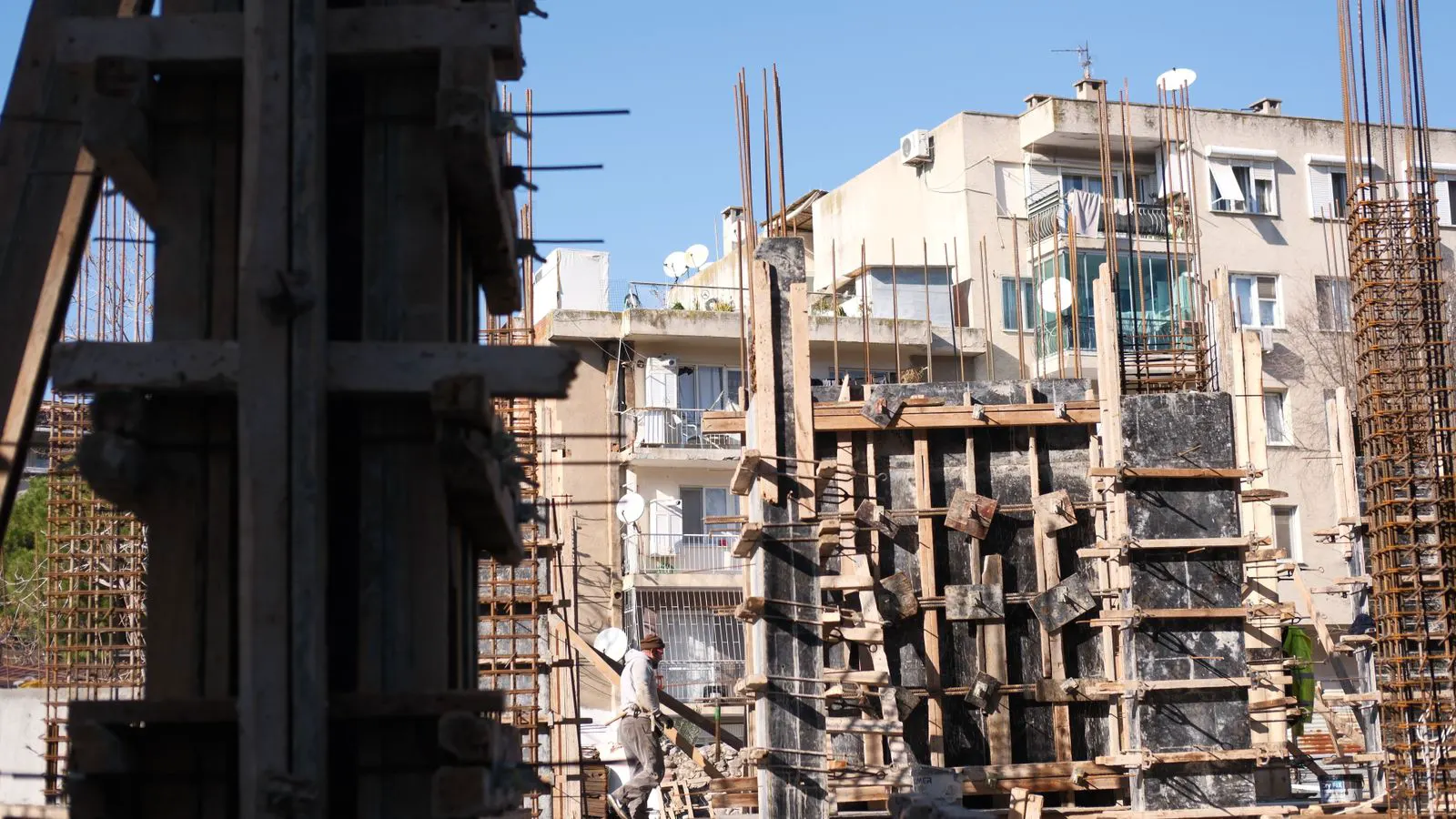
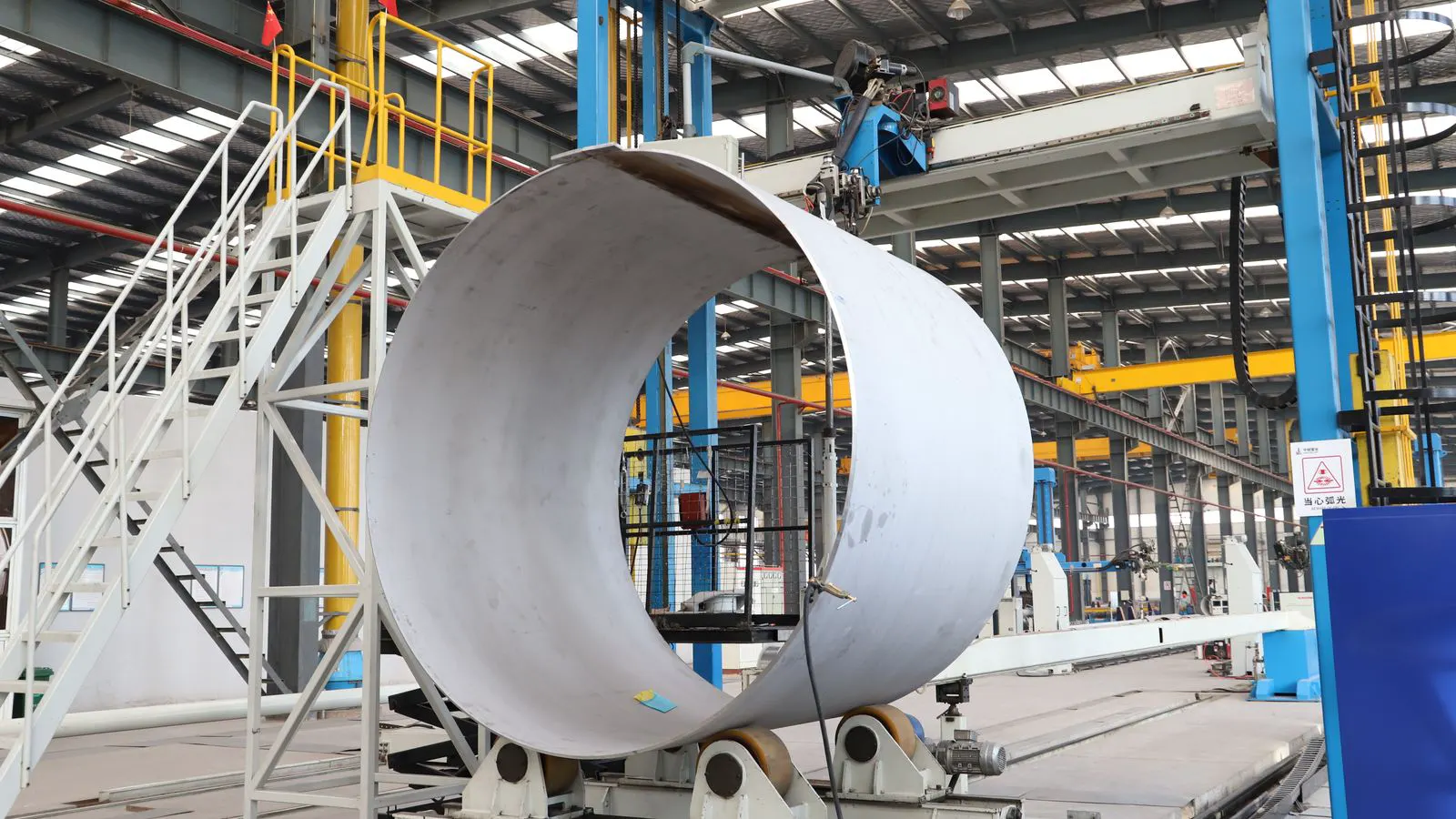
Outlook: Steel Building Codes and Digital Twin Integration
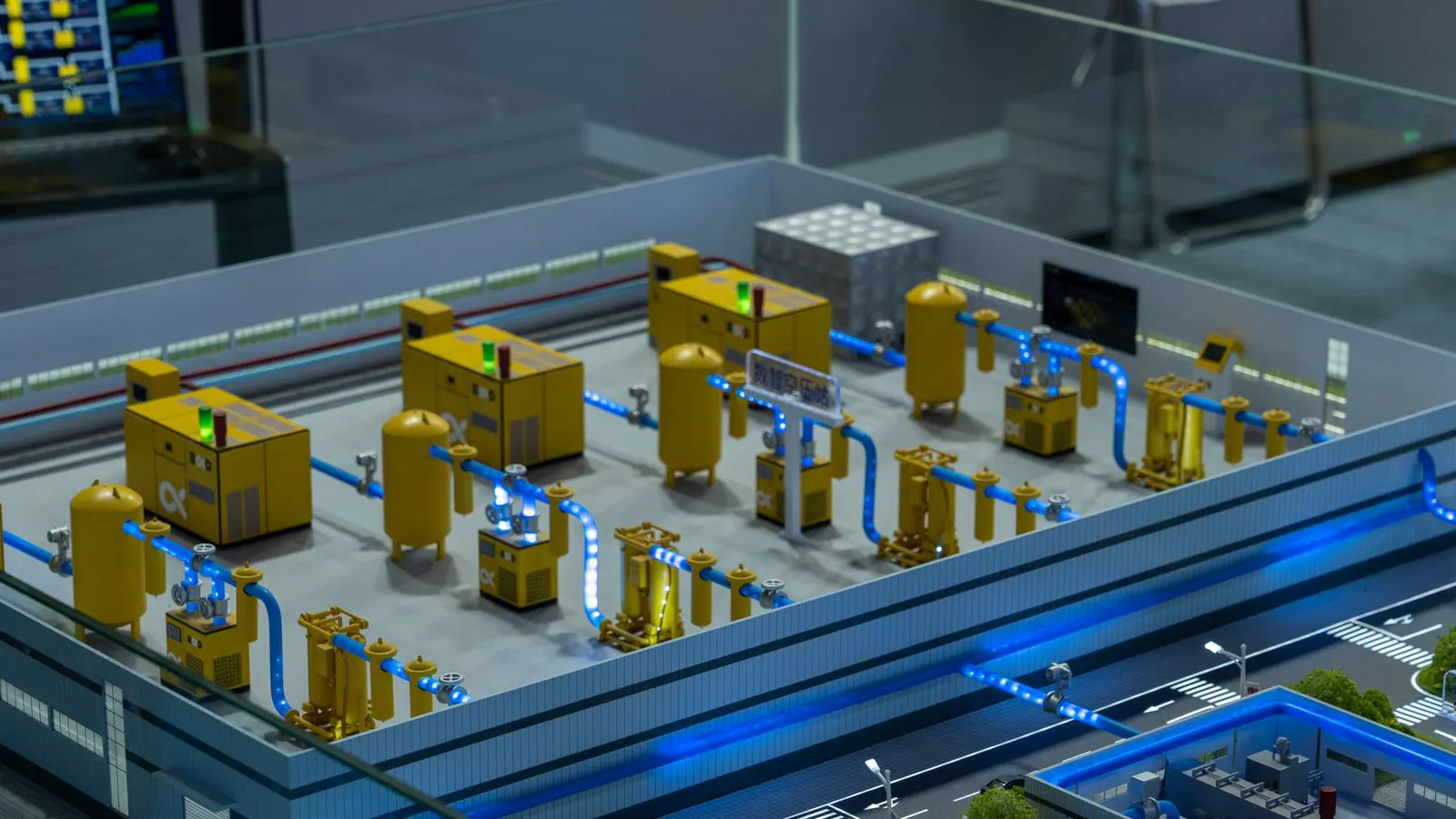
Digital twins will link 3D models directly to code compliance checks. This shift moves validation from static PDFs to live, data-driven systems. Buyers should prepare by updating BIM standards and training teams on model-based performance tracking.
- Digital twin integration will move code compliance from static reports to continuous, model-based validation.
- BIM models will need to carry live data on material grades, connection types, and load paths.
- Future standards will likely require interoperability between design software and code-checking algorithms.
- Buyers should start by standardizing data schemas and training engineers on digital twin workflows.
- Early adoption reduces rework and supports faster permitting through automated compliance checks.
Why Digital Twins Are Changing How We Think About Code Compliance
Steel building codes digital twin integration represents a shift from documenting compliance to proving it in real time. Most steel structure projects currently rely on static PDFs, stamped calculations, and manual cross-checks against code tables. A digital twin changes that workflow. It connects the 3D model to live performance data, material certificates, and automated code-checking logic. The model becomes a dynamic record that updates as the physical building changes.
This matters for buyers because the gap between design intent and field reality is where problems hide. A base plate settlement issue or a connection mismatch can surface months after construction begins. With a digital twin, those variables are tracked from the shop drawing stage forward. The model is not just a visual representation. It is a database that feeds into code compliance decisions.
Consider a typical steel frame. The model contains the column, the base plate, the anchor bolts, and the moment connection. In a static BIM file, those elements exist as geometry. In a digital twin, they exist as data objects with attributes. The code-compliance engine reads those attributes and checks them against the applicable steel design code. If the anchor bolt spacing falls outside the allowable range, the system flags it before the model is released. This prevents a non-compliant detail from reaching the fabrication shop.
How BIM Models Are Evolving Into Compliance Assets
Building information modeling has moved beyond floor plans and elevation views. Modern BIM models for steel structures now include material properties, section sizes, connection details, and load case data. But the next step is linking that data to code-compliance engines. This integration turns a geometric model into a functional asset that can be verified.
Consider a typical steel frame. The model contains the column, the base plate, the anchor bolts, and the moment connection. In a static BIM file, those elements exist as geometry. In a digital twin, they exist as data objects with attributes. The code-compliance engine reads those attributes and checks them against the applicable steel design code. If the anchor bolt spacing falls outside the allowable range, the system flags it before the model is released.
This approach reduces the time spent on manual code checks. Engineers can focus on the structural logic rather than the bookkeeping. Buyers should expect more projects to require BIM models that pass automated compliance gates before they go to shop drawings.
What Future Standards Will Likely Require
Future standards for steel structure buildings will probably formalize digital twin integration in several ways. First, they will define minimum data requirements for BIM models. Today, many firms use different schemas for material data. One firm might tag a steel member with a material grade and a yield strength, while another might use a different attribute name or omit the yield strength entirely. Future standards will push toward common data models so that code-checking tools can read any model without custom mapping.
Second, standards will likely require audit trails for code compliance checks. If a model passes a load check today, the record must show which code section was applied, what load factors were used, and who approved the result. This creates a paper trail that is machine-readable. Inspectors can pull the data directly instead of hunting through PDFs.
Third, future standards may address how digital twins handle changes. When a field modification occurs, the model updates, and the compliance engine re-runs the affected checks. This creates a feedback loop between the physical building and the digital record. Standards will need to define what constitutes a valid update and how that update affects the building’s compliance status.
Five Shifts Buyers Should Plan For
The transition from static code documentation to digital twin integration will bring several practical changes. Buyers and engineers should prepare for these shifts now.
-
Automated compliance gates will become standard practice. Instead of a final code review after design, checks will run continuously. A model that fails a code check will not progress to the next stage. This will reduce late-stage surprises but will require tighter coordination between design and engineering teams.
-
Data quality will determine project speed. A digital twin is only as good as the data feeding it. If material grades are missing or connection details are inconsistent, the compliance engine cannot validate the model. Buyers should insist on complete data sets at each project phase.
-
Training will move from software operation to data management. Engineers will need to understand how data flows from the BIM model to the code-compliance engine. This is different from learning a new CAD tool. It is about understanding data schemas, attribute mapping, and validation logic.
-
Permitting workflows will integrate with digital records. Local authorities may begin accepting digital compliance reports alongside, or in place of, static PDFs. This will speed up approvals but will require firms to maintain models that meet local authority data requirements.
-
Life-cycle cost analysis will incorporate compliance data. Digital twins will allow buyers to track how code compliance decisions affect long-term performance. For example, a heavier connection may pass code with margin but increase steel tonnage and cost. The digital twin can show that trade-off before the design is locked.
How to Prepare Your Teams and Workflows
Preparation for digital twin integration is not about buying the latest software. It is about aligning processes, data standards, and team skills. Start with a data audit. Review your current BIM models and identify where data is incomplete or inconsistent. Focus on the elements that drive code compliance: sections, connections, materials, and loads.
Next, standardize your data schemas. Use recognized industry formats where possible. This makes it easier to plug into code-checking tools and future standards. If you work with multiple firms, agree on a common data dictionary. This prevents the situation where one firm’s “base plate” data object means something different to another firm’s system.
Finally, train your teams on the logic behind automated compliance checks. Engineers need to understand how the code-checking engine interprets model data. They need to know how to troubleshoot false positives and how to document exceptions. This training is as important as learning the software interface.
A Practical Table of Code Compliance Checks in Digital Twin Models
The following table shows how typical steel structure code checks map to digital twin data elements. This is a general framework. Specific checks will vary by code edition and jurisdiction.
| Code Check Category | Typical Model Data Required | Digital Twin Validation Output |
|---|---|---|
| Member sizing | Section properties, material grade, unbraced length | Pass/fail against allowable stress and strength criteria |
| Connection design | Connection type, bolt spacing, plate thickness | Pass/fail against shear and bearing limits |
| Base plate design | Plate dimensions, anchor bolt layout, concrete cover | Pass/fail against bearing and uplift checks |
| Lateral stability | Bracing layout, diaphragm action, wind/seismic zone | Pass/fail against drift and stability limits |
| Material verification | Mill certificates, heat numbers, coating spec | Pass/fail against material and protection requirements |
| Load path continuity | Element connectivity, load transfer points | Pass/fail against load path integrity checks |
Frequently asked questions
What is the difference between a BIM model and a digital twin?
A BIM model is a 3D data file used for design and coordination. A digital twin is a live, connected model that integrates real-time or field data with code-compliance engines and performance analytics.
Will digital twins replace stamped code calculation PDFs?
They will likely supplement them. Regulatory authorities may still require signed documents, but the underlying compliance logic will increasingly come from the digital twin. The PDF will become a snapshot of the model's validated state.
How do I know if my current BIM workflow supports digital twin integration?
Check whether your models carry complete attribute data for sections, connections, and materials. If data is locked inside geometry or stored in spreadsheets, you will need to restructure your workflows.
What is the biggest risk in adopting digital twin integration for steel projects?
Poor data quality. If the model does not reflect the actual design intent or field conditions, the compliance checks will produce false results. This erodes trust in the system and can delay approvals.
How long will it take for future standards to formalize digital twin requirements?
Standards development is slow. Expect gradual adoption over several years. Start with data standardization and internal process improvements now to position your firm for when formal requirements emerge. ===END===