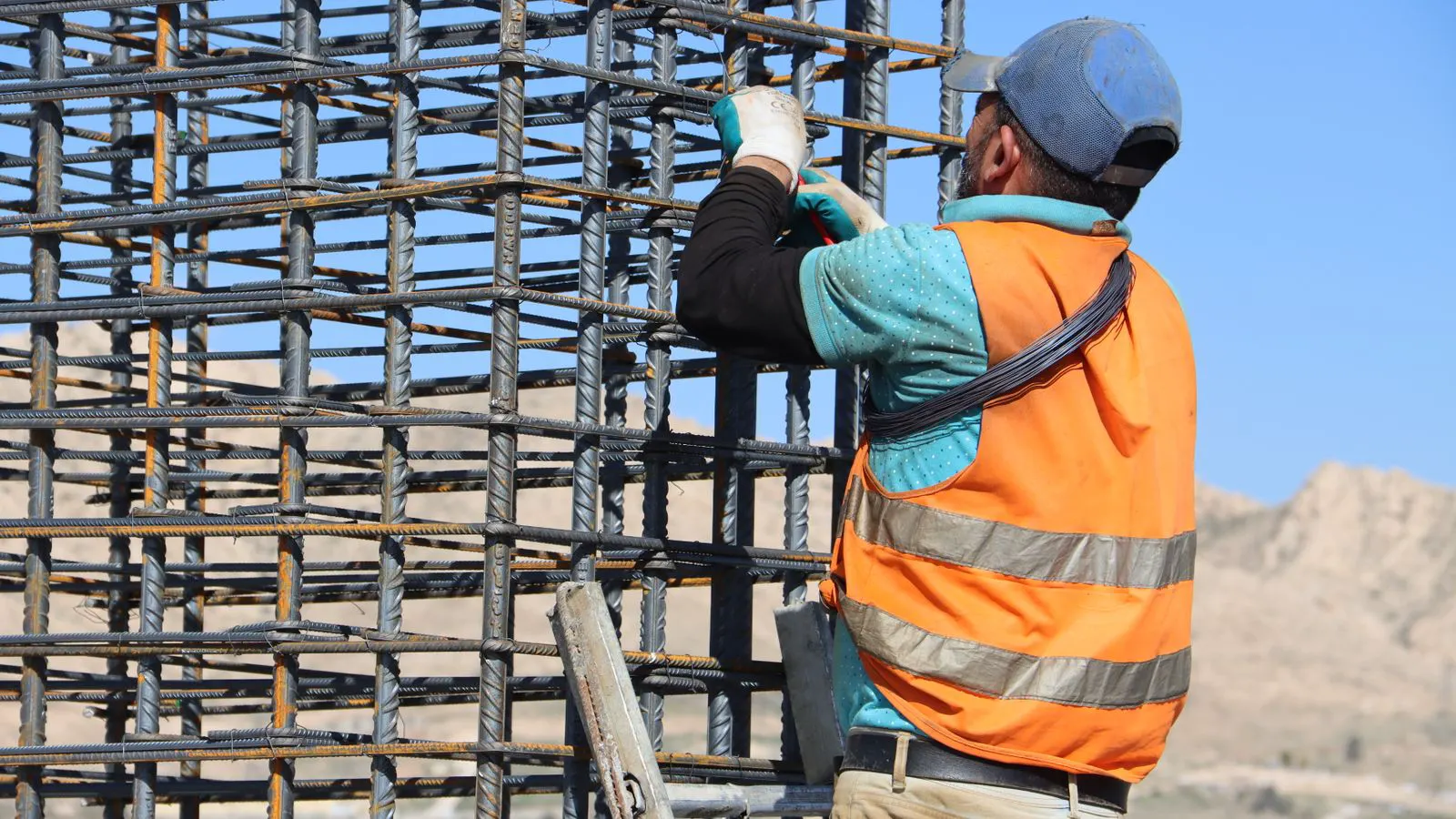
Buyer’s Guide to Selecting a Steel Fabricator
Choosing a steel fabricator requires checking certification, capacity, quality systems, and communication. Evaluate suppliers against concrete criteria like tolerance standards, NDT reports, and logistics support to reduce risk on the project.
- Verify certifications and production capacity before issuing purchase orders.
- Require quality control plans that include NDT, welding, and coating checks.
- Align lead time expectations with the supplier's current backlog and logistics.
- Test communication early through mock-ups, drawings, and progress reporting.
- Review contract terms for tolerance, warranty, and responsibility for nonconforming parts.
Selecting the right partner for your steel structure project starts long before the first plate is cut. The fabrication shop’s ability to meet tolerances, manage lead times, and handle rework determines whether the erection phase runs smoothly or stalls. Professional buyers need a clear method for evaluating suppliers so that the final decision rests on evidence, not reputation alone.
Can the shop handle the specific joint types in your design?
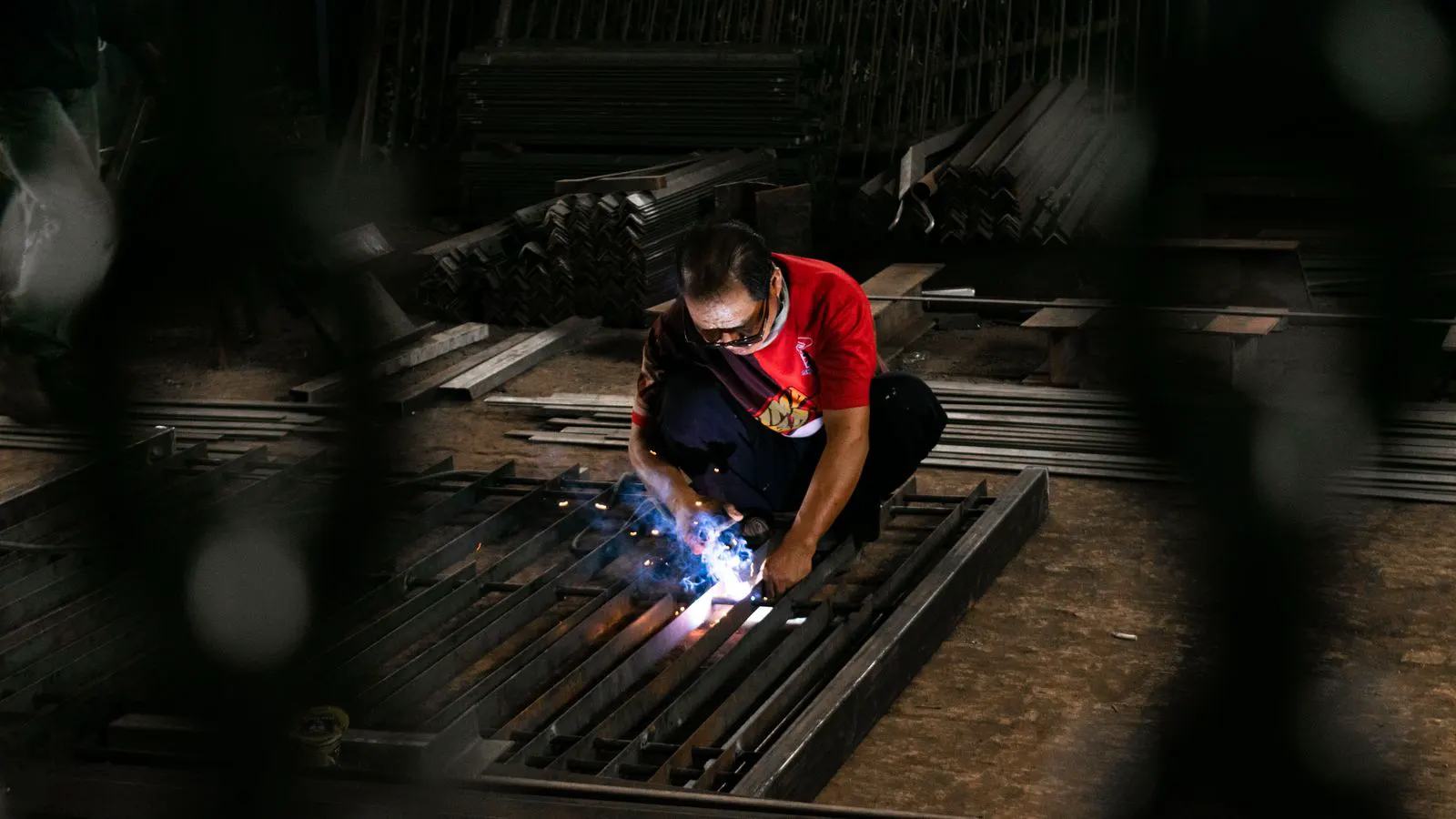
Welding is where most fabrication problems appear. A supplier that only cuts and bolts simple connections may fail on a project requiring fillet welds, butt welds, or high-strength bolted splices. Review your structural drawings before contacting any firm. Identify the joint types, plate thicknesses, and connection details. Ask the shop to explain how they prepare these specific joints.
Look for shops that maintain welding procedures qualified for your material grade. Ask for the procedure qualification record. Verify that the welders hold current certifications for the process and position required. A shop that welds mostly thin cladding may not have the depth and heat control needed for heavy base plates. Request a sample weld inspection report from a recent project with similar connection types. This document shows what the shop actually does, not what it claims to do.
What does the quality control system actually cover?
Quality control is not a single test. It is a chain of checks that happens before, during, and after production. The first check happens at material receipt. The shop must verify mill test certificates, heat numbers, and surface condition. Ask how they trace each plate back to its origin. A clear traceability system prevents a bad heat from entering the final structure.
During fabrication, dimensional checks happen after cutting, welding, and assembly. Ask for the tolerance standard the shop follows. Common tolerances cover flatness, squareness, weld penetration, and hole alignment. The shop should provide a quality control plan that lists each checkpoint and the person responsible for the sign-off. Require that they photograph critical joints and store these records for the life of the project.
Final inspection includes coating, plating, and protective packaging. Ask if they perform pre-heat and post-weld heat treatment when required by the design. Ask for the nondestructive testing method they use. Common methods include visual inspection, magnetic particle inspection, and ultrasonic testing. The method must match the thickness and criticality of the joint. Do not accept a shop that only performs visual inspection on high-load connections.
How reliable is the supplier evaluation process?
Supplier evaluation is a structured comparison of capabilities before awarding work. Start with a written request for information. Send a sample drawing set and ask for a quotation, a lead time estimate, and a list of similar projects completed. This gives you a baseline for communication speed and technical understanding.
Do not rely on the first quote. Compare at least three or four shops. The price difference often reflects material quality, labor experience, and overhead. A low bid may hide rework costs or rushed schedules. Check their current backlog. A fully loaded shop may promise a fast delivery that they cannot keep. Ask for their current production schedule and how they manage priority orders.
Visit the facility if possible. Walk the floor. Look at the layout of cutting, welding, and assembly bays. Check the state of the equipment. A modern plasma cutter and a stable welding fixture matter. Talk to the floor supervisor and the quality manager. Their answers reveal how the shop runs day to day. If the floor is disorganized and parts are stacked randomly, expect delays in the final assembly stage.
What are the real lead times for your order?
Lead time is the time from drawing release to delivery. It includes design review, material procurement, fabrication, testing, and shipping. The site guide on Steel Fabrication Lead Times: What Buyers Should Expect covers how these phases interact. The key is to align the supplier’s actual capacity with your erection schedule.
Ask for a detailed production schedule. Break the lead time into weeks for each phase. Material procurement can extend the timeline if the steel mill is slow. Ask if they stock common plate sizes or if they order to your specific width. A custom plate order takes longer than a standard width.
Factor in logistics. The delivery date is not the same as the site ready date. Ask how they bundle and protect the parts. Long members often require special transport permits. Ask who handles the freight forwarder and the customs documentation if the parts cross borders. A fabrication partner that manages logistics saves the buyer time. Do not assume the supplier will handle shipping. Confirm in writing who owns the risk during transit.
How will the shop handle drawings and revisions?
Structural drawings are the contract. The shop must be able to read and interpret the details. Ask how they review drawings for constructibility. A good fabricator flags ambiguities early. They will ask if a hole is too close to a weld toe. They will point out a plate that is too thin for the required weld size. This service prevents field changes that cost money.
Ask for their revision management process. If you change a connection after the shop has cut the plate, what happens? Ask for the cost to rework. Some shops charge a flat fee. Others charge for material and labor. The contract should define who pays for changes made after approval.
Require a drawing mark-up process. The shop should return a marked copy of your drawings showing their interpretation. This mark-up becomes part of the project file. It prevents disputes later. If the shop says the drawing is clear but builds it differently, the mark-up is your evidence of what was agreed.
What should the contract say about tolerances and warranty?
The contract is the last line of defense. It must list the acceptance criteria. Specify the tolerance for flatness, squareness, and hole alignment. State the welding acceptance criteria. Name the standard the welds must meet. If the standard is not written in the contract, the shop may use a lower standard.
Include a warranty clause that covers defects in workmanship. The warranty should last at least the minimum period required by local law or your project insurance terms. Define what happens when a part fails. The shop should replace the part at no cost if the failure is due to a fabrication error. If the failure is due to site handling, the shop may not be liable. This distinction must be clear.
How does the supplier evaluate communication?
Communication is the glue that holds the project together. Ask for a single point of contact. A project manager or a production coordinator who answers the phone and checks email daily. Do not rely on a sales rep who disappears after the signature. Ask for a progress reporting format. Weekly email updates with photos are standard for large projects.
Ask how they handle changes. If the erection team finds a problem on site, how does the shop respond? A fast response means they have a process. A slow response means they are buried in work. Test this early. Send a small question about a drawing detail. Measure the response time.
Final decision checklist
Before signing the purchase order, complete this checklist.
- Verify the shop’s manufacturing certification and welding procedure qualifications.
- Confirm the production capacity and current backlog.
- Review the quality control plan and nondestructive testing methods.
- Align the lead time schedule with the erection timeline.
- Review the contract for tolerance standards and warranty terms.
- Test communication speed with a sample drawing question.
- Check logistics and freight responsibility in writing.
Frequently asked questions
How many quotes should I get?
Get at least three quotes. This gives you a market baseline and reveals differences in material sourcing and labor rates. A single quote hides the true cost.
Do I need to visit the shop?
Yes, for large projects. A site visit reveals the actual state of the floor, the equipment, and the management style. It is a quick way to spot red flags.
What if the shop misses the lead time?
The contract should state the delay penalty or liquidated damages. If the delay is due to force majeure, the penalty may not apply. Define the conditions clearly.
How do I know if the welds are good?
Ask for the welder certification and the procedure qualification record. Request the nondestructive testing report. The report is the proof, not the visual look.
Can I use a local fabricator for a complex project?
Yes, if they have the specific capability. Check if they have done the joint type before. If they have not, ask for a reference or a mock-up. Do not assume local means capable.